
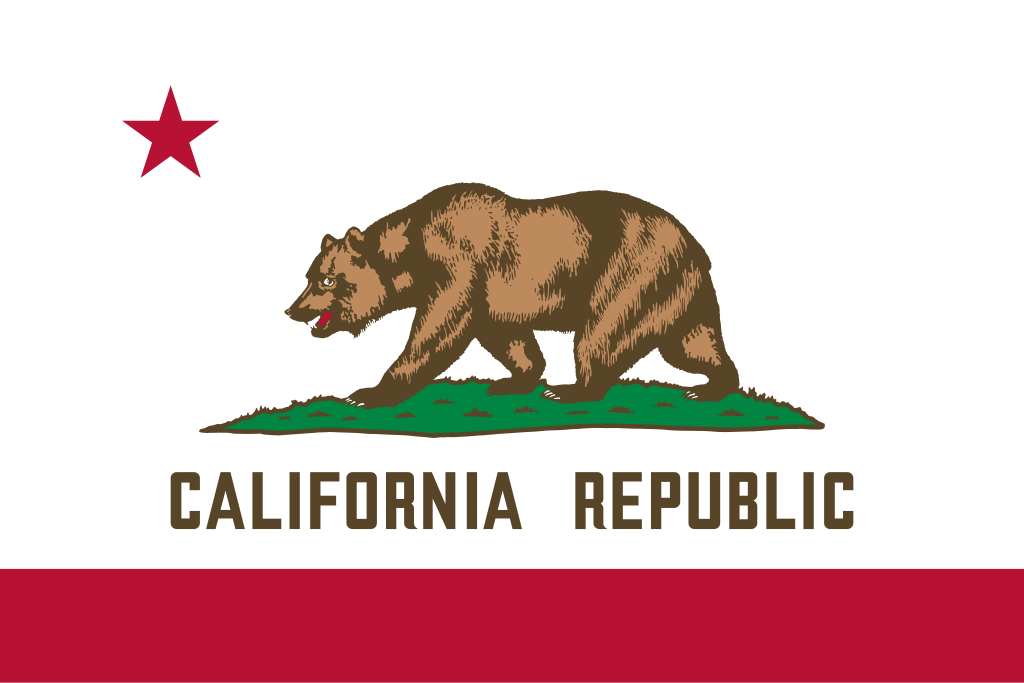
In the mid-19th century, the leaders of the relatively young country of the United States began to focus on growth and expansion. Fueled by the idea of Manifest Destiny—the belief that the United States was divinely ordained to expand—these leaders pushed westward for more territory. Although this period was filled with war and conflict, California, one of the largest states in the United States, was officially admitted as the 31st state on August 9, 1850.
The Mexican-American War
The Mexican-American War was a conflict between the United States and Mexico over a large expanse of territory. The United States officially annexed the state of Texas in 1845; however, Mexico refused to recognize Texas’s independence. The two nations disputed the border between Mexico and Texas. On May 13, 1846, United States President Andrew Polk officially declared war on Mexico.
The outcome of the Mexican-American War is considered quite controversial, as many believe it was an American attack on a definitively weaker opponent for the sake of land. The war lasted just over a year, during which the volunteer army of the United States won several key battles quickly. As a result of the war, Mexico ceded a significant amount of its northern territories to the U.S., including the land that eventually became the states of California, New Mexico, and Nevada in the final agreement.
The California Gold Rush
On January 24, 1848, James Marshall discovered gold flakes along the American River while working on a construction project. News of this discovery spread rapidly, leading to a massive influx of people to the San Francisco area in search of gold. This significant movement of people came to be known as the California Gold Rush.
The influx of people to California created unique challenges for the region. Suddenly, the West Coast was flooded with citizens from diverse backgrounds, all struggling to establish homes in pursuit of wealth. The area experienced rapid growth, transforming into a bustling metropolis. This immense population surge necessitated the establishment of civil government and regulations, prompting the citizens to seek statehood.
The Path to Statehood
California’s rapid population growth allowed the state to be admitted to the Union more quickly than usual, bypassing the typical territorial stage. It was officially admitted as the 31st state of the United States through a piece of legislation known as the Compromise of 1850. This compromise aimed to address the issue of slavery in the newly acquired Mexican territories and officially declared California a free state on September 9, 1850.