
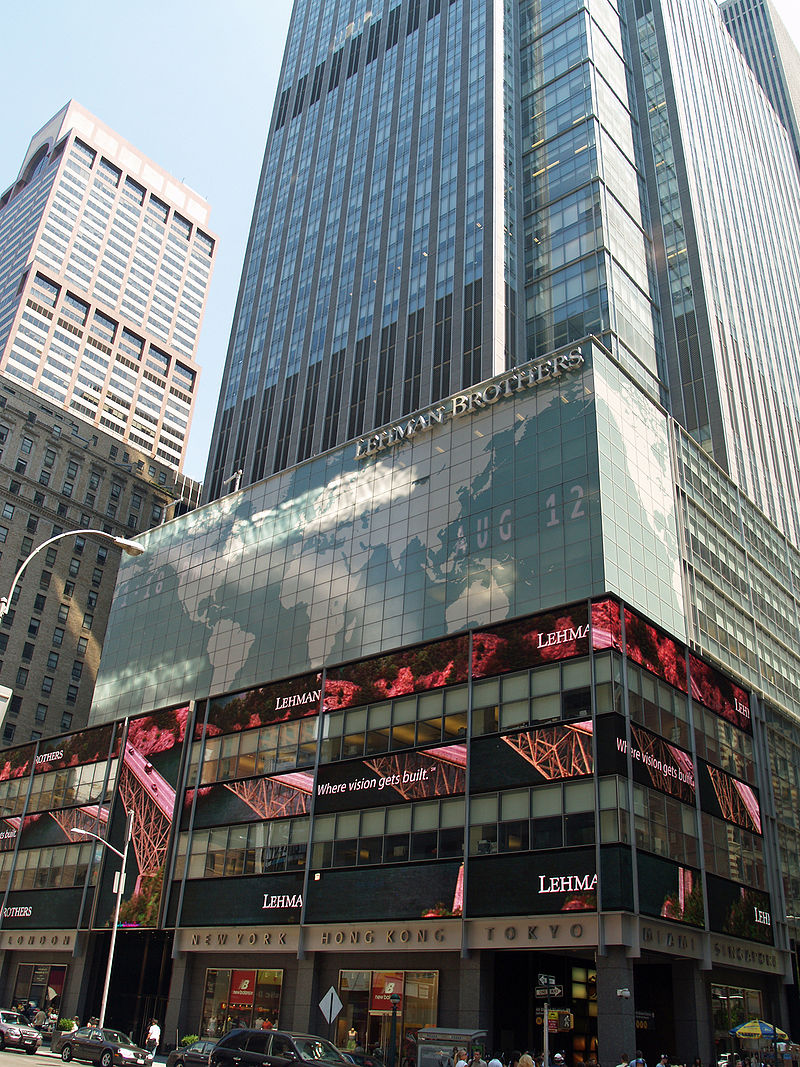
The Lehman Brothers, a major global financial firm, filed for bankruptcy on September 15, 2008, triggering the most dramatic collapse of the global economic crisis. The 158-year-old investment bank had weathered wars, depressions, and market cycles, but it could not survive the collapse of the U.S. housing market. With $613 billion in debt, its downfall remains the largest bankruptcy in U.S. history.
The Road to Collapse
In the late 1990s and early 2000s, Lehman Brothers expanded rapidly into mortgage lending. Through its subsidiaries, such as Aurora Loan Services and BNC Mortgage, the firm became a significant player in the subprime market, originating tens of billions of dollars in high-risk loans each month. These loans were packaged into mortgage-backed securities and sold to investors.
At one point, Lehman’s business model was highly profitable. However, when housing prices peaked in 2006 and then began to decline rapidly, a large number of homeowners defaulted on their mortgages. The securities that Lehman held, which were often lower-rated tranches that nobody else wanted, became toxic. By 2007, Lehman’s leverage ratio had soared to 31:1, putting the company in a precarious position and making it vulnerable to even small decreases in real estate values. As losses accumulated, investor confidence dwindled, and by 2008, Lehman’s stock had lost nearly 80% of its value. Efforts to secure a buyer, such as Barclays or Bank of America, failed when regulators denied any support, leaving bankruptcy as the only viable option.
The Day of the Filing
Lehman Brothers Holdings Inc. officially filed for Chapter 11 protection on the morning of September 15, 2008. The news sent global markets into immediate turmoil. The Dow Jones Industrial Average dropped over 500 points, its largest single-day drop since the aftermath of 9/11. Credit markets froze as money market funds and banks scrambled to assess their exposure. Within days, confidence in the financial system itself seemed on the brink of collapse.
The fallout was immediate. Hedge funds relying on Lehman as their prime broker saw assets frozen. Commercial real estate markets faced sudden sell-offs as Lehman liquidated holdings like Archstone, a central apartment REIT. It wasn’t just the US markets that felt the effects of the downfall; international markets felt the shock too. Japanese and Hong Kong banks reported billions in losses tied to Lehman securities.
Aftermath and Reforms
Lehman’s collapse exposed several systemic weaknesses: excessive leverage, poor regulation of investment banks, and the dangers of complex financial products. Its failure accelerated government interventions, including the rescue of AIG, the Troubled Asset Relief Program (TARP), and unprecedented Federal Reserve actions to stabilize credit markets.
In the years that followed, sweeping reforms reshaped the financial landscape. The Dodd-Frank Act of 2010 imposed stricter oversight, mandated stress tests for major banks, and created the Consumer Financial Protection Bureau to safeguard borrowers. Mortgage lending was overhauled with “qualified mortgage” rules to prevent a return to reckless practices.
For thousands of Lehman employees, the bankruptcy meant sudden job loss and shattered careers. For the broader world, it symbolized the dangers of unchecked risk in a globalized economy.