
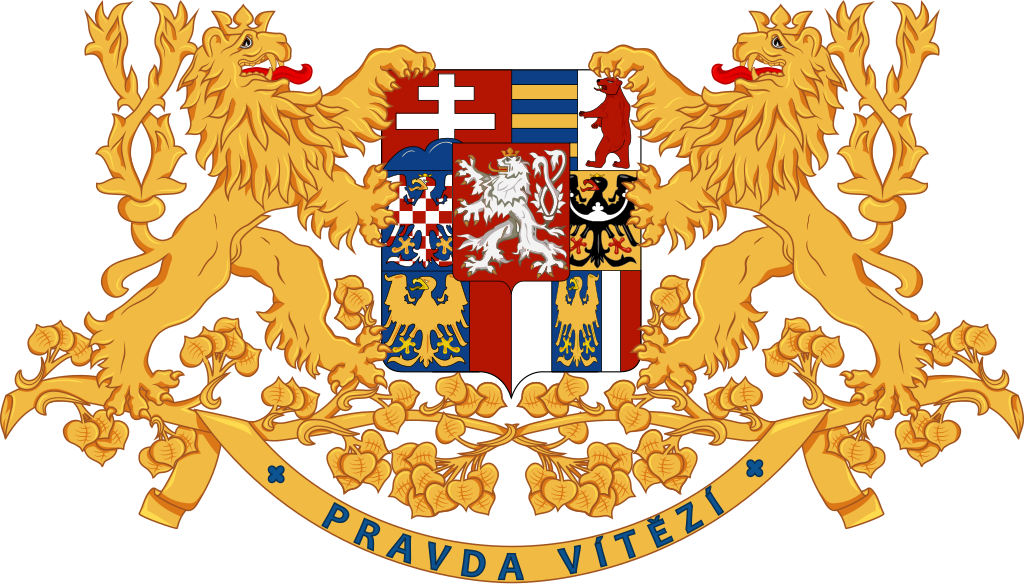
In the early 20th century, the Austro-Hungarian Empire remained one of the Great Powers of Europe. Formed in 1867, the Empire established a dual monarchy that combined the Austrian Empire and the Kingdom of Hungary. However, it was a multiethnic state, and internal conflicts and instability weakened it as it approached World War I. On October 28, 1918, following the end of World War I, the Czechoslovak National Council seized the opportunity presented by the impending collapse of the Austro-Hungarian Empire and officially established the Republic of Czechoslovakia.
The Impact of WWI
As the world neared the onset of the Great War in 1914, the struggles of the Austro-Hungarian Empire came into sharp focus. The Empire was multi-ethnic, with groups such as the Serbs, Czechs, and Poles all vying for a sense of identity. This competition led to significant internal divisions. The differing interests of these groups weakened the Empire’s overall structure. Political and social tensions were constant, and civil unrest was common.
The Empire’s military struggled due to a lack of unity, hindering its ability to sustain a consistent war effort. This situation contributed to a decline in overall morale. Additionally, the war strained the food supply, leading to a significant increase in famine. As a result, civil unrest and discontent rose further.
In the final months of the war, the Emperor tried to save the monarchy by establishing a new structure; however, the internal damage was too severe. Hungary officially separated from Austria in 1918.
Key Events of October 28th
As the official collapse of the Austro-Hungarian Empire was imminent, members of the National Committee of Czechoslovakia took advantage of the circumstances. On October 28th, they peacefully took control of government offices and military headquarters, and officially declared the establishment of a Czechoslavik state.
They officially passed their first law, declaring Czechoslovakia a Republic and establishing the government’s structure. Additionally, the committee elected its first president, Tomáš Garrigue Masaryk, and its first prime minister.
The Rise of a New Nation
Czechoslovakia was established from the remnants of the Austro-Hungarian Empire and encompassed a diverse population. The citizens found strength in their newly formed parliamentary democracy, grounded in principles such as freedom of speech, the press, and religion. However, the nation’s multi-ethnic nature led to future conflicts reminiscent of the past.
The official establishment of Czechoslovakia is remembered as a significant event in the history of the current Czech Republic and Slovakia, which split in 1993, and October 28th is celebrated as a national holiday.