
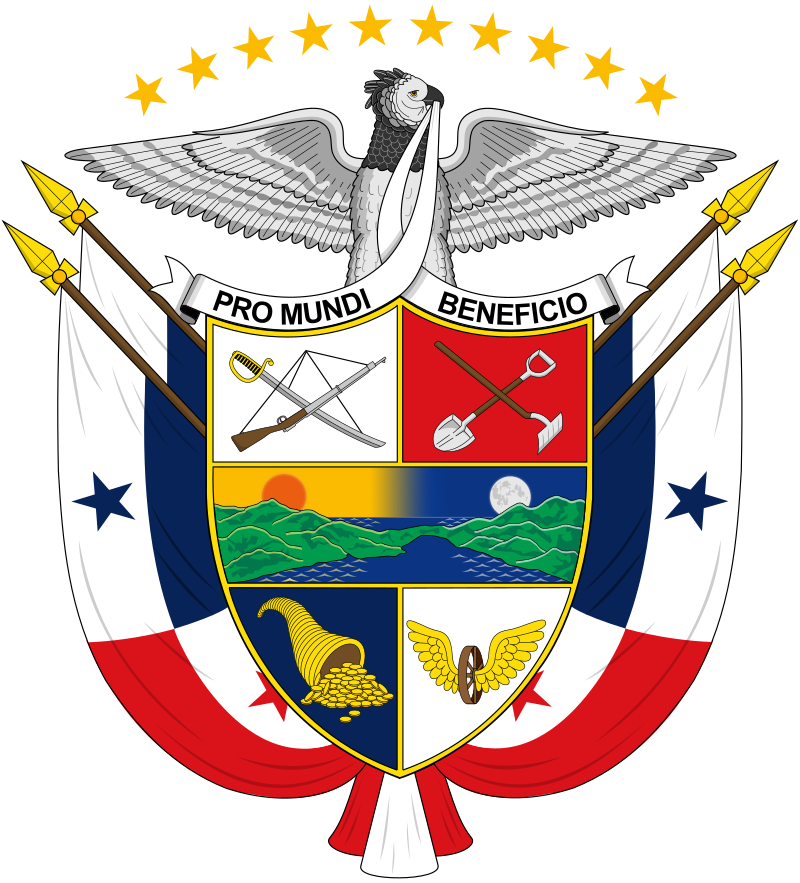
On this day, a narrow strip of land shook off a giant neighbor and reshaped global trade forever. November 3, 1903: Panama declared its independence from Colombia.
It wasn’t just a rebellion. It was a revolution built on ambition, timing, and quiet American backing.
Let’s Set the Scene
Panama had long been part of Colombia, but geography and dreams of a canal kept it in the global spotlight. Since the 1800s, engineers had dreamed of slicing a passage through the Isthmus of Panama to connect the Atlantic and Pacific Oceans.
France tried first in the 1880s and failed spectacularly. Malaria, mudslides, and money problems shut the project down. But the dream didn’t die.
By the turn of the 20th century, the United States was ready to step in. President Theodore Roosevelt saw the canal as vital for trade and military power. But there was a problem: Colombia controlled the land, and they were reluctant to strike a deal.
So when Panamanians began pushing for independence, tired of neglect from Bogotá, the U.S. saw an opportunity.
The Plan Moved Fast
On November 3, 1903, Panamanians launched a bloodless revolution. Colombian troops stationed nearby were neutralized, partly because the U.S. Navy ships just happened to be in the area, making intervention tricky.
Three days later, the United States recognized Panama’s independence. It was swift, strategic diplomacy. Secretary of State John Hay ordered the U.S. consul in Panama City to enter into relations with the new government. By November 13, Panama had an ambassador in Washington.
In 1904, the U.S. signed a treaty with the new Republic of Panama. It gave the U.S. the right to build and operate a canal and control a ten-mile-wide strip of land known as the Canal Zone. The Panama Canal opened in 1914. Suddenly, ships could cross from ocean to ocean in hours instead of weeks. Trade surged. Navies moved faster. The balance of power shifted.
But for Panama, independence came with strings. The U.S. essentially governed the Canal Zone. Disputes simmered for decades, erupting in protests and broken diplomatic ties. It wasn’t until 1979 that control of the Canal Zone began to be transferred back to Panama, and complete control finally returned in 1999.
Today, Panama celebrates November 3 as its Independence Day, a national holiday full of parades and pride.