
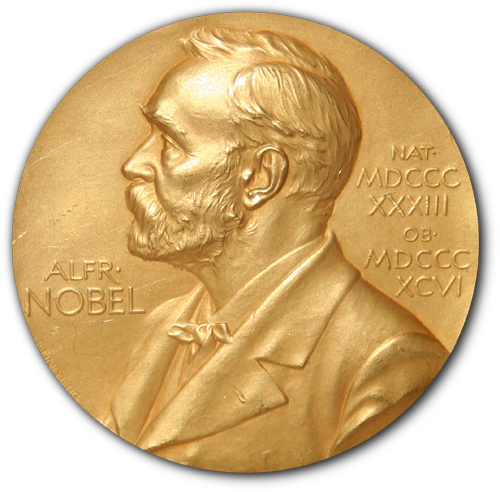
Alfred Nobel was a Swedish inventor, chemist, and industrialist who made a fortune from his 355 inventions, including dynamite. He famously signed his will on November 27, 1895, which outlined that his fortune should be used for the betterment of humanity. This provision in his will led to the establishment of the Nobel Prize, a prestigious international award given annually for significant contributions to humanity—a legacy that continues to thrive today.
Alfred Nobel
Alfred Nobel was born in Stockholm, Sweden, in 1833, to a large, prominent family that secretly struggled financially. Despite being a sickly child, he possessed a brilliant, curious mind and excelled in engineering and chemistry. He received his education through private tutoring and was able to speak several languages by the time he reached his teenage years.
He began his career at his father’s engineering business, which thrived after the family relocated to Russia. In his early twenties, he founded his first company, Nitroglycerin Aktiebolaget, where he studied explosives. In 1867, he famously invented dynamite, a more stable form of nitroglycerin, earning himself the nickname “The Merchant of Death.”
Throughout his career, he patented over 355 inventions, including the blasting cap, blasting gelatin, and smokeless powder. These patents brought him significant wealth. However, Nobel did not want his legacy to revolve around explosions and death. His desire to make a positive impact led him to make the decision for which he is best known: leaving his fortune to create a legacy for humanity.
A Controversial Will
Nobel signed his living will on November 27, 1895, just about a year before his death. The will specified that his fortune should be used to create an annual fund that would award individuals who made significant contributions to humanity. He aimed to recognize achievements in science, literature, and art, as well as efforts to promote peace and fraternity among nations. Additionally, he wanted to ensure that the awards were granted without regard to sex or nationality.
He faced significant criticism from both his family and the public due to his decision. Although he left a small portion of his fortune to his family, he believed they would ultimately be better off with access to education and his businesses. He felt strongly that leaving his wealth to benefit humanity would contribute to the world for years to come. Though his family contested his decision in court, it was ultimately ruled that Nobel’s decisions should be respected. The first Nobel Prize was awarded 5 years after he died in 1901.
Impact
Today, the Nobel Prizes are among the most prestigious awards, honoring individuals who have made outstanding contributions to humanity. The endowment fund established by Alfred Nobel ensures that the interest from his fortune will be used indefinitely to support these prizes. This funding supports scientific research, recognizes deserving individuals, and promotes peace among nations.