
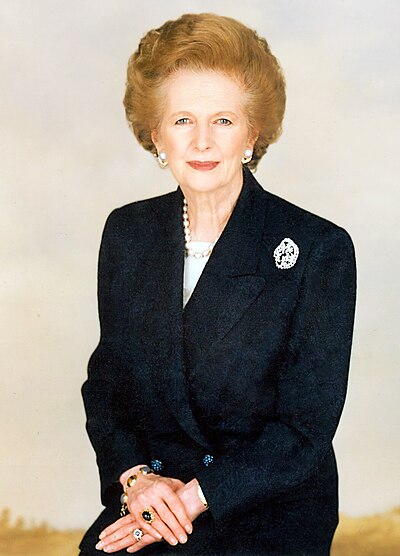
Margaret Thatcher’s impact on British history and women’s history is undeniable. As the first female Prime Minister of the United Kingdom, she set a precedent for women in leadership roles within government. Serving as Prime Minister for the longest continuous period in the 20th century, she implemented significant changes in British policies and the economy. But on November 22, 1990, she publicly announced her intention to resign, bringing her tenure to an end, though not her legacy.
Polarizing Popularity
Margaret Thatcher was a highly controversial figure, known for experiencing both immense popularity and significant unpopularity. She was elected leader of the Conservative Party in 1975 with a decisive vote and went on to win the 1979 election, becoming Prime Minister of the UK. This victory was historic, as she became the first woman to hold this position, breaking through gender barriers in politics.
Despite winning the election by a wide margin, Thatcher’s popularity declined significantly during her first term in office. She encountered challenges, including a recession and high unemployment, which forced her to implement stringent policies to control inflation. By 1981, her approval ratings had plummeted to a record low of 16% in polls.
In 1982, she experienced a resurgence of popularity following Britain’s victory in the Falklands War. She projected the image of a strong war leader, which contributed to Britain’s success in the conflict. Her increased popularity helped her win reelection by a landslide.
Thatcher was re-elected for a third term, although her popularity remained polarizing. She was immensely loved by many but also portrayed as a villain by others. Nevertheless, she undeniably made an impact on British history.
Her Downfall
Margaret Thatcher’s political downfall was a dramatic event marked by a decline in her popularity within her own Conservative Party. She implemented several unpopular policies, most notably the “poll tax,” a fixed local tax that sparked widespread protests and riots throughout the UK. Additionally, she rejected several proposals for the European Community, which alienated members of her own cabinet. Ultimately, the situation reached a tipping point when her last remaining original cabinet member delivered a surprising speech announcing his resignation. This announcement unsettled her Conservative Party supporters and increased calls for a leadership change.
Michael Heseltine, a long-time political rival of Margaret Thatcher, announced his intention to run for Prime Minister. Realizing that she would likely lose her position, Thatcher decided to withdraw her candidacy for the good of the Conservative Party. She made an official public statement announcing her decision to step down as Prime Minister on November 22, 1990.
Aftermath
After making a final emotional public appearance, Margaret Thatcher formally resigned to Queen Elizabeth II on November 28, 1990. She continued to serve as a caretaker Prime Minister during the transitional period until a new leader of the Conservative Party was chosen.
Margaret Thatcher’s resignation marked the end of an era, but her influential impact on history remains.