
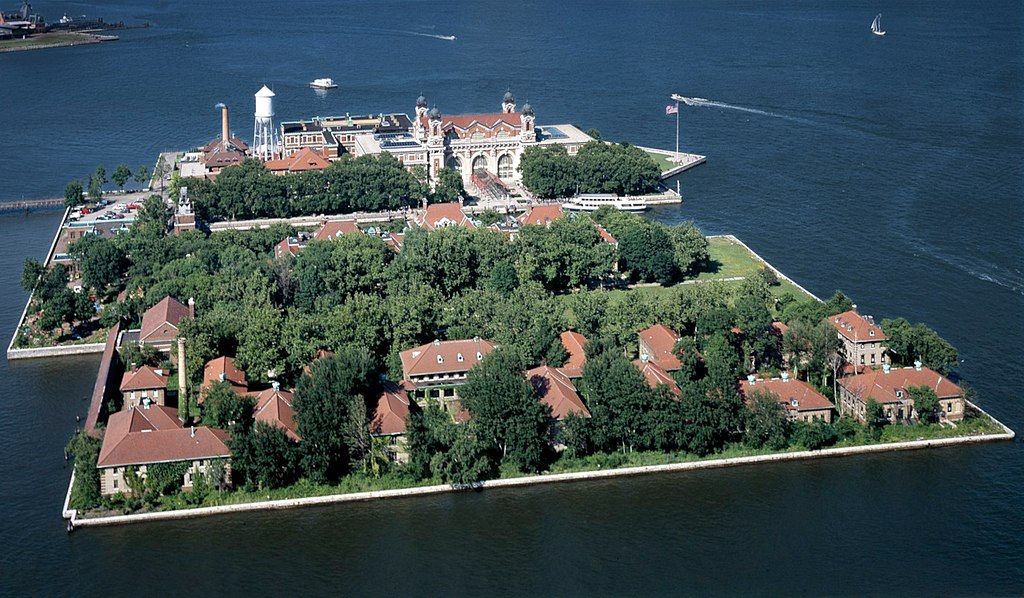
On this day, a quiet moment marked the end of a thunderous era in American history. Ellis Island, the gateway to the American dream for millions, processed its final immigrant. After 62 years and more than 12 million arrivals, the great doors of Ellis Island closed.
Let’s Rewind
Ellis Island opened on January 1, 1892, as the nation’s first federal immigration station. It replaced the patchwork system run by individual states. The first immigrant to arrive? A 15-year-old girl from Ireland named Annie Moore.
From then on, the island welcomed wave after wave of newcomers.
- Italians, Jews, Irish, Germans, Slavs.
- Dreamers, farmers, laborers, refugees.
- All chasing the same idea: a better life.
Ellis Island was More Than a Dock
Wealthy passengers—first and second class—usually bypassed the island entirely. They were inspected on board and cleared onshore.
The rest—third-class “steerage” passengers—disembarked at Ellis. There, they faced medical checks, legal interviews, and long lines. About 2% were turned away due to illness or other disqualifiers. Still, for the vast majority, Ellis Island meant entry into a new world.
Between 1892 and 1924, it served as the nation’s busiest immigration station.
In 1907 alone, over one million people passed through.
Then the tide changed.
The Immigration Act
In 1924, the Immigration Act imposed strict quotas and moved processing overseas. The flood of arrivals slowed to a trickle.
Ellis Island’s purpose shifted.
- It became a detention center for immigrants facing deportation.
- A wartime hospital during WWII.
- A Coast Guard training base.
It remained a government facility—but no longer the bustling hub it once was.
The Final Immigrant
A Norwegian merchant seaman named Arne Peterssen was detained for overstaying his shore leave. On November 12, 1954, he was released, and with him, Ellis Island’s doors quietly shut.
However, in 1984, the island underwent a massive $160 million restoration. Six years later, the Ellis Island Immigration Museum opened to the public. Millions now visit each year, tracing their ancestors and walking in the footsteps of hope.