
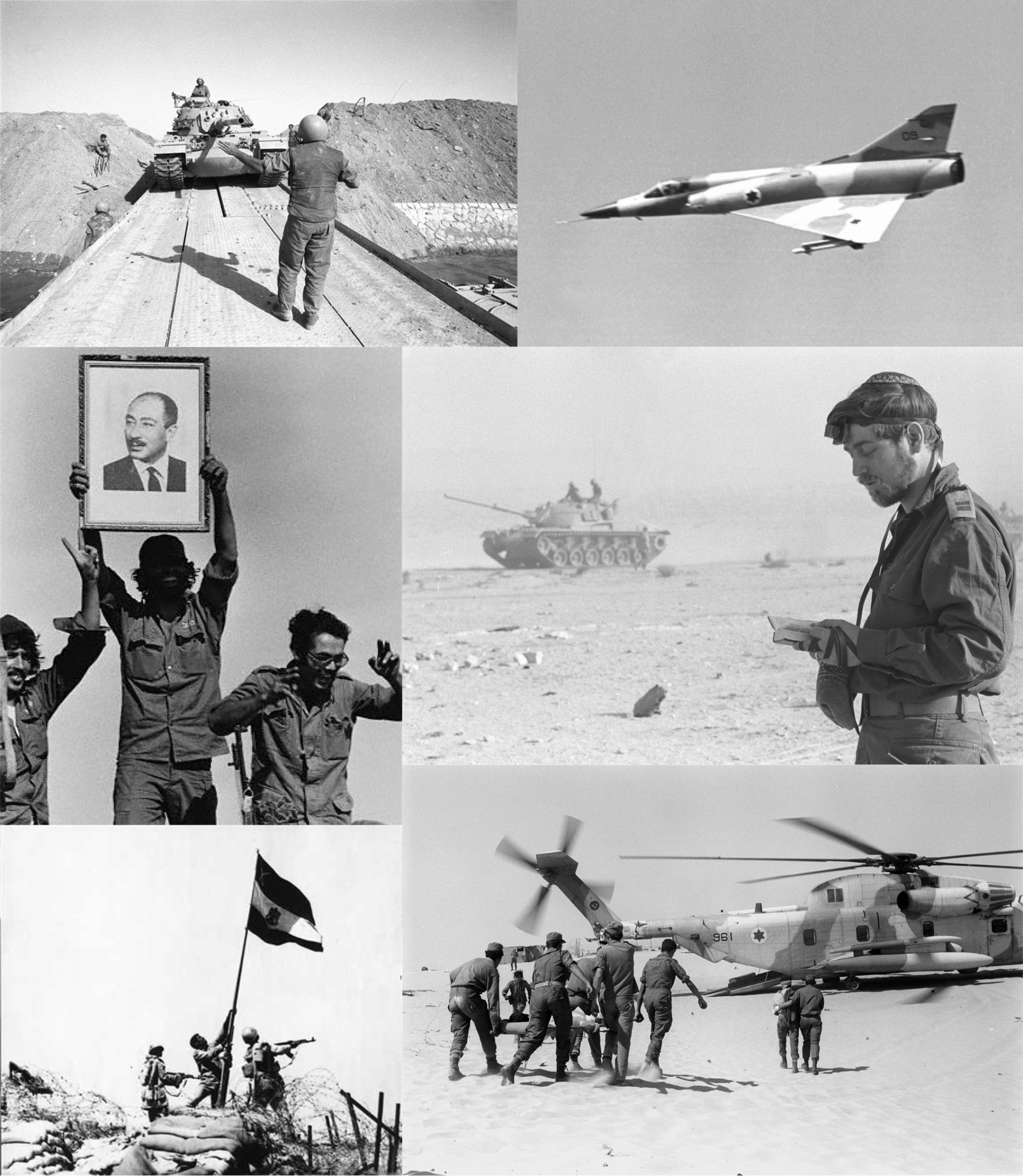
In a dusty desert clearing, just 63 miles from Cairo, a war-weary world watched two old enemies take a historic first step. On November 11, 1973, Egypt and Israel signed a six-point ceasefire agreement that began to pull the Middle East back from the brink.
Not an Ordinary Truce
This was no ordinary truce. This ceasefire agreement marked the first time since 1949 that senior military leaders from both sides met to negotiate more than just gunfire pauses. It came weeks after the brutal Yom Kippur War.
The Yom Kippur War began on October 6, 1973, when Egyptian and Syrian forces launched a coordinated attack on Israeli positions in the Sinai Peninsula and the Golan Heights. The assault widely caught Israel off guard on its holiest day. In the days that followed, Israel counterattacked fiercely, pushing deep into Egyptian territory and encircling the strategic city of Suez.
The US Stepped In
With global superpowers watching and the Cold War looming, the U.S. stepped in. Secretary of State Henry Kissinger played a pivotal role in brokering the agreement that brought both nations to the negotiating table. Literally a table in a tent, surrounded by United Nations peacekeepers, at Kilometer 101 on the Cairo-Suez Highway.
General Aharon Yariv of Israel and General Mohamed Abdel Ghani el-Gamasy of Egypt sat across from each other. They didn’t shake hands. They barely spoke. But they signed. Their silent determination and courage in the face of decades of conflict mattered.
The ceasefire called for several key actions:
- A mutual halt to hostilities.
- Discussions on returning to positions held before the October 22 U.N. ceasefire.
- Humanitarian relief for the besieged city of Suez.
- Supply access for Egyptian troops east of the canal.
- The replacement of Israeli roadblocks with U.N. checkpoints.
- A full prisoner exchange.
These were bold terms in a region where distrust ran deeper than the Suez itself. Each term carried the weight of years of conflict and the hope for a peaceful future. Israeli General Yariv, cautious but resolute, made it clear: this was only a first step. His public remarks emphasized strength, readiness, and realism. “If there are doubts… let us say clearly that the Israel Defense Forces are standing fast and ready,” he declared. But he also dared to imagine peace, saying, “We have taken the first step along the long and difficult road that leads to a settlement.”
Skepticism ran high in Israel, where the surprise of the October war had left scars. But American pressure and diplomacy pushed both parties forward. This was the third ceasefire attempt since the war began. Unlike the others, this one held. Though Syria stayed out of the deal, and though peace was still a distant dream, November 11 marked a crucial turning point.