
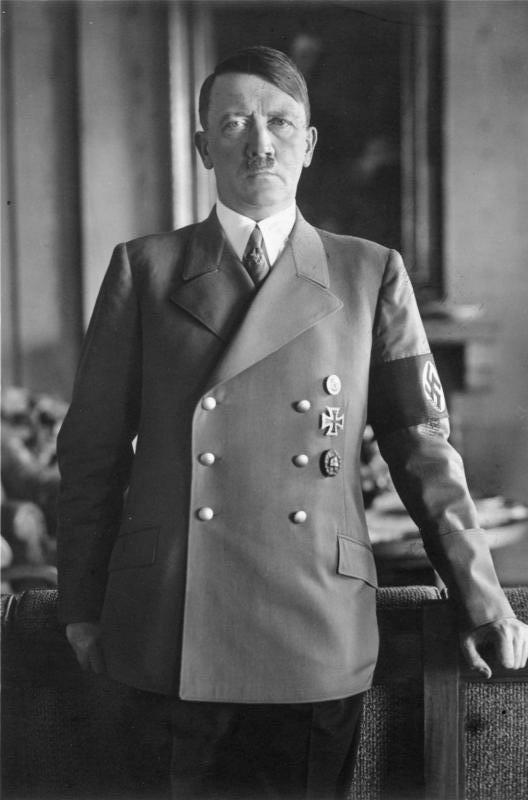
On March 7, 1936, Adolf Hitler made a bold and dangerous move: He ordered 20,000 German troops to march into the Rhineland, a region that had been demilitarized under the Treaty of Versailles. This act violated the Versailles Treaty (1919) and the Locarno Treaties (1925), agreements designed to prevent German aggression. Yet, Britain and France, the two nations that could have stopped him, did nothing.
The Rhineland, a strategic area bordering France, Belgium, and the Netherlands, had been kept free of German troops since the end of World War I. Its strategic location made it a key aspect of the Treaty of Versailles, which forbade Germany from stationing troops or building fortifications west of the Rhine River. The Locarno Treaties, signed in 1925, reaffirmed this status, and Germany agreed to respect it. But Hitler had other plans. Since coming to power in 1933, he had clandestinely rebuilt Germany’s military, violating the treaty behind closed doors. By 1936, he was ready to test the resolve of Britain and France.
On the morning of March 7, 1936, German soldiers crossed the Rhine, greeted by cheering crowds. The move was a huge gamble. If France had responded militarily, Hitler had ordered the troops to retreat, and the German military was still too weak to fight a war. France, however, did not mobilize. Britain, still weary from World War I, saw the action as Germany ‘marching into its backyard’ and didn’t do anything to stop them. The lack of response from these two nations emboldened Hitler, convincing him that Britain and France wouldn’t stand in his way.
By allowing Hitler to get away with this violation, Britain and France unknowingly encouraged further aggression. Hitler, believing the Western democracies were weak, accelerated his expansionist plans. Years later, he would annex Austria and demand the Sudetenland from Czechoslovakia.
Many historians argue that World War II might have been prevented if France and Britain had acted in 1936. German generals later admitted that they would have had no choice but to retreat if confronted. Instead, Hitler grew more confident—and the road to war became inevitable.