
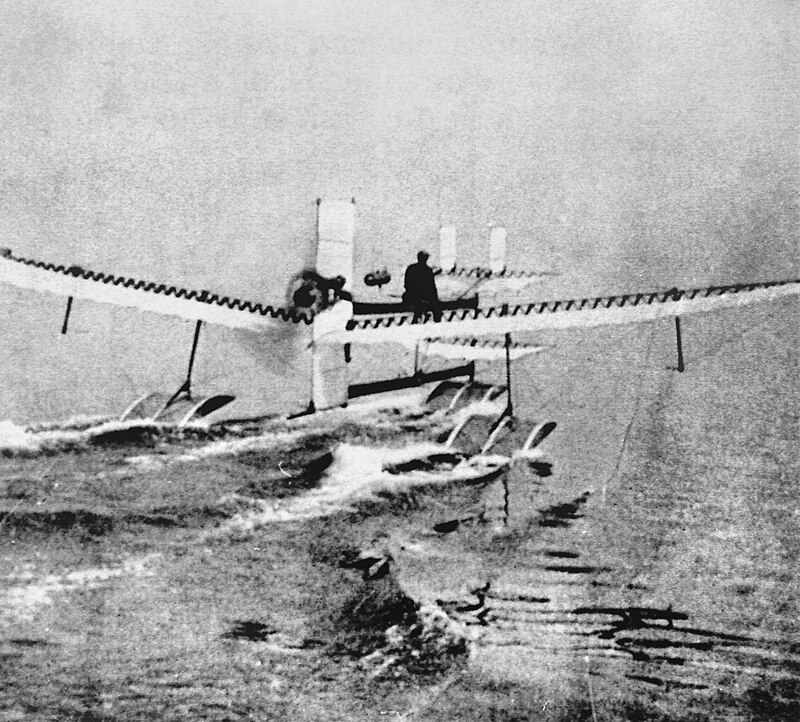
Two hundred years ago, the idea of flying a metal box over land, let alone water, would have been considered fiction or even madness. But on March 28, 1910, Henri Fabre, a French engineer and aviator, defied these notions and made history. With his courage and vision, he successfully piloted the first seaplane in France, the Fabre Hydravion, lifting off from the water near Marseille. This groundbreaking achievement, a testament to human ingenuity, paved the way for future seaplanes, which became essential for transportation, military use, and exploration.
Known as the Fabre Hydravion, this lightweight aircraft featured wooden floats that allowed it to take off from and land on water. The flight took place near Étang de Berre, a lagoon near Marseille, and covered a distance of about 500 meters.
Fabre’s invention, the Fabre Hydravion, was not just a one-time feat. It demonstrated the potential of water-based aviation, paving the way for seaplanes still in use today. By World War I, seaplanes played a crucial role in reconnaissance and transportation. And today, they continue to serve in specialized missions such as firefighting, rescue operations, and remote deliveries. Fabre’s invention has left an indelible mark on modern aviation, a testament to his pioneering spirit and the enduring power of innovation.
Fun Facts:
- The Fabre Hydravion was the first seaplane to take off successfully.
- The flight occurred near Étang de Berre, France.
- Henri Fabre designed, built, and piloted the aircraft himself.
- The plane traveled about 500 meters during its first flight.
- Seaplanes later became essential for military and commercial aviation.
Fabre’s pioneering achievement opened a new chapter in aviation history, from a simple wooden aircraft to today’s advanced amphibious planes.