
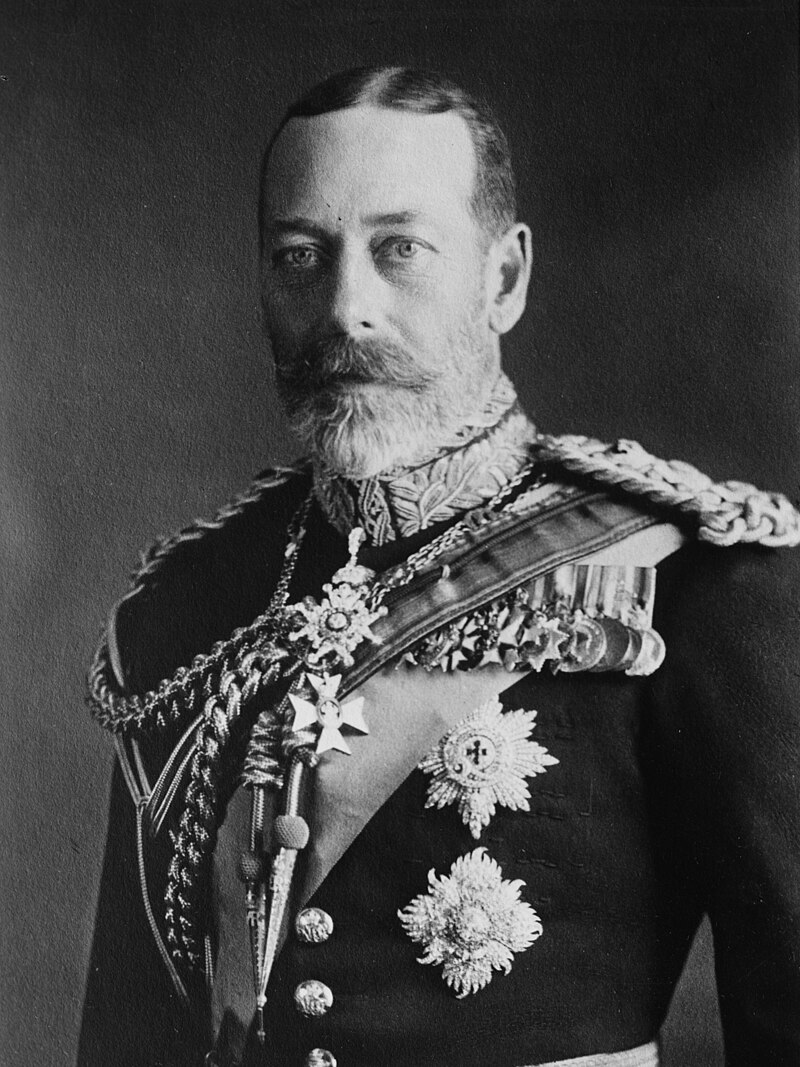
On January 20, 1936, King George V of England passed away, concluding a 25-year reign that had seen the British Empire navigate World War I and significant societal change. His reign, marked by his steadfast dedication and efforts to strengthen the monarchy, was an important chapter in British history.
The year 1936 was a tumultuous one for the British royal family, beginning with the passing of King George V. This event marked the start of a series of dramatic changes, as his successor, King Edward VIII, abdicated later that year to marry Wallis Simpson. This pivotal moment had a lasting impact on the trajectory of the monarchy.
Interesting Facts:
- George V, known for his strong sense of duty and devotion to his role, played a crucial part in maintaining the monarchy’s relevance during times of political and social transformation. His introduction of the annual Christmas radio broadcast in 1932 was a significant step in fostering a closer connection between the monarchy and the public.
- His death set the stage for one of the most dramatic years in royal history. His eldest son, Edward VIII, ascended the throne but abdicated within the same year to marry Wallis Simpson, an American divorcée. This constitutional crisis, a direct result of George V’s passing, had a profound and lasting impact on the trajectory of the monarchy, leading to his second son, Albert, becoming King George VI.
- Reign: 1910–1936, encompassing World War I and significant global change like the great depression.
- Strengthened the monarchy’s role in modern Britain and maintained stability during tumultuous times.
- King George V was an avid philatelist, and his stamp collection, the Royal Philatelic Collection, is one of the most comprehensive in the world.