
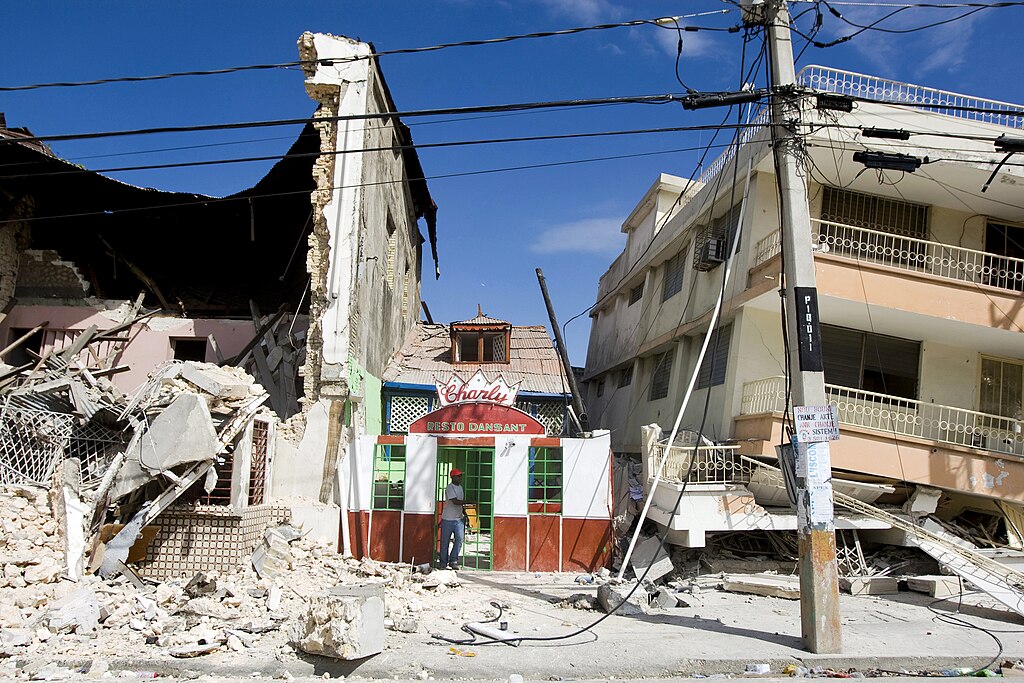
On January 12, 2010, Haiti experienced one of the deadliest natural disasters in its history. A magnitude 7.0 earthquake struck near Port-au-Prince, leaving 160,000 people dead and millions homeless. This tragedy devastated a nation and sparked global humanitarian efforts, demonstrating how a single event can unite the world in a common cause. Learn how this event shaped Haiti and the world’s response to disaster relief.
Entire neighborhoods were reduced to rubble, including critical infrastructure like hospitals, schools, and government buildings.
The international community quickly mobilized to aid Haiti, but the scale of the destruction presented enormous challenges. Damaged roads and limited resources hampered rescue efforts, making it a race against time to save as many lives as possible. The tragedy revealed the vulnerabilities of a nation already grappling with poverty and inadequate infrastructure, prompting a deeper understanding of the need for global solidarity in such crises.
Key Facts:
- Although the earthquake lasted just 35 seconds, it felt like an eternity for those caught in it. Despite its brief occurrence, it caused immeasurable damage.
- Haiti’s National Palace and the United Nations headquarters were among the destroyed landmarks.
- An estimated 3 million people were affected, making it one of the deadliest earthquakes in modern history.
- The global response included billions in aid and the deployment of human helpers from all around the world.
- This disaster highlighted Haiti’s resilience and underscored the importance of preparedness in vulnerable regions. It serves as a stark reminder of the need for proactive measures and global cooperation in disaster management. The aftermath remains a somber reminder of nature’s unpredictable power and a call to action for all of us to contribute to a safer future.