
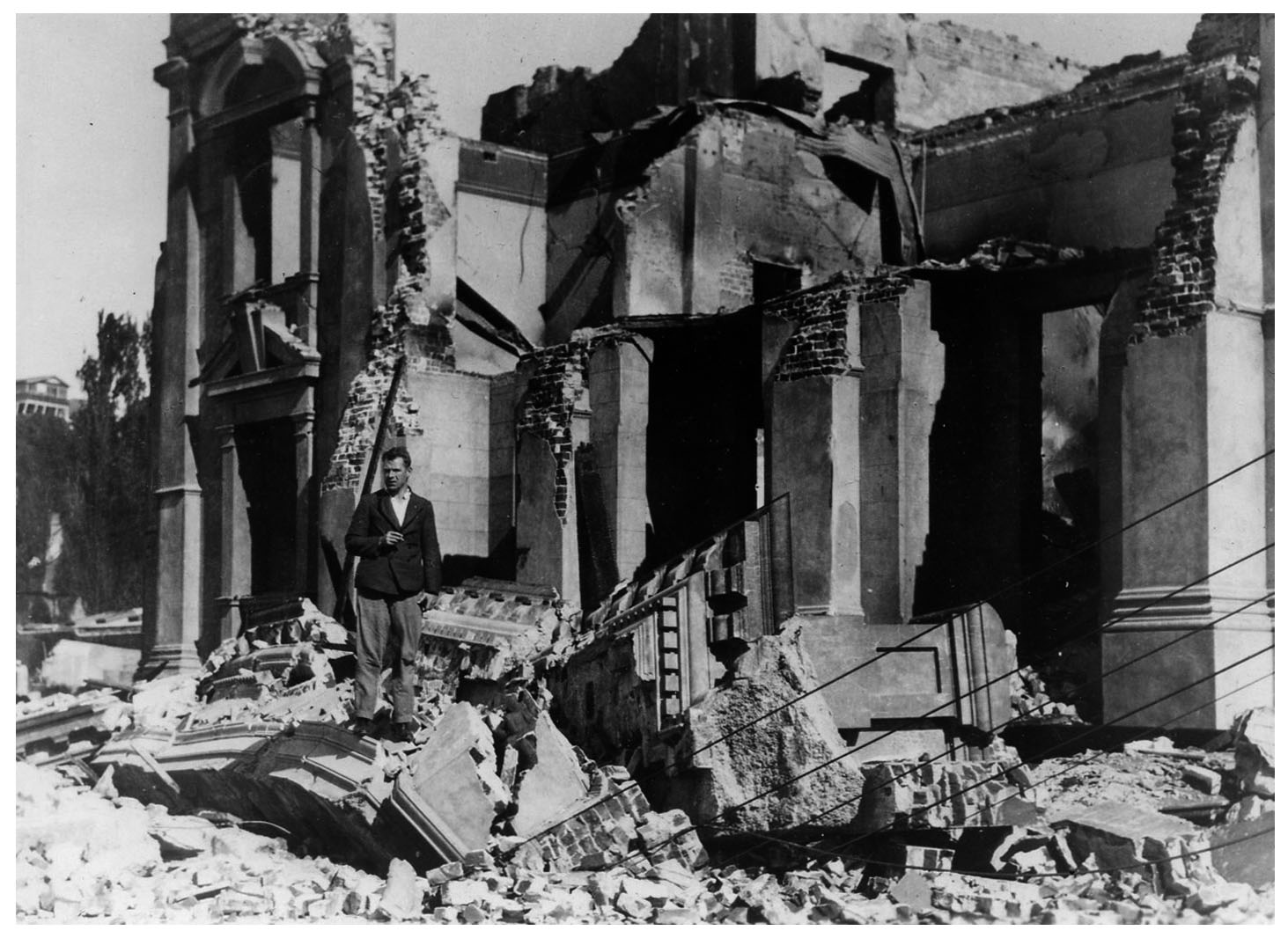
On February 3, 1931, at 10:47 a.m., New Zealand experienced its deadliest natural disaster. A powerful earthquake, measuring 7.8 on the Richter scale, devastated the Hawke’s Bay region on the North Island. The quake leveled cities, claimed numerous lives, and permanently altered the landscape. The epicenter was near Napier, and tremors were felt across much of the North Island, highlighting the magnitude of the disaster.
Buildings in Napier and Hastings collapsed within seconds. Older structures made of unreinforced masonry were especially vulnerable. Fires broke out, compounding the devastation. The disaster claimed 256 lives and injured thousands. Many victims were trapped in collapsing buildings or caught in the fires that swept through Napier.
A Changed Landscape
The earthquake in 1931 caused significant land elevation and movement. The Ahuriri Lagoon, a large tidal area, was uplifted by nearly 2 meters, which created 40 square kilometers of new land. This permanently altered the region’s geography and changed the local ecosystem and land use patterns, all from one earthquake.
Despite the quake’s power, no significant tsunami followed, a saving grace. The shallow angle of the fault slip likely prevented a massive wave. Over 20,000 residents were left homeless, many living in makeshift camps and tents for weeks. The disaster spurred significant changes to New Zealand’s building regulations, prioritizing earthquake-resistant construction to minimize future losses.
The Aftermath
The 1931 earthquake is one of New Zealand’s most significant disasters, influencing the nation’s approach to disaster preparedness and response. The communities of Napier and Hastings rebuilt from the ruins, becoming stronger and more united.