
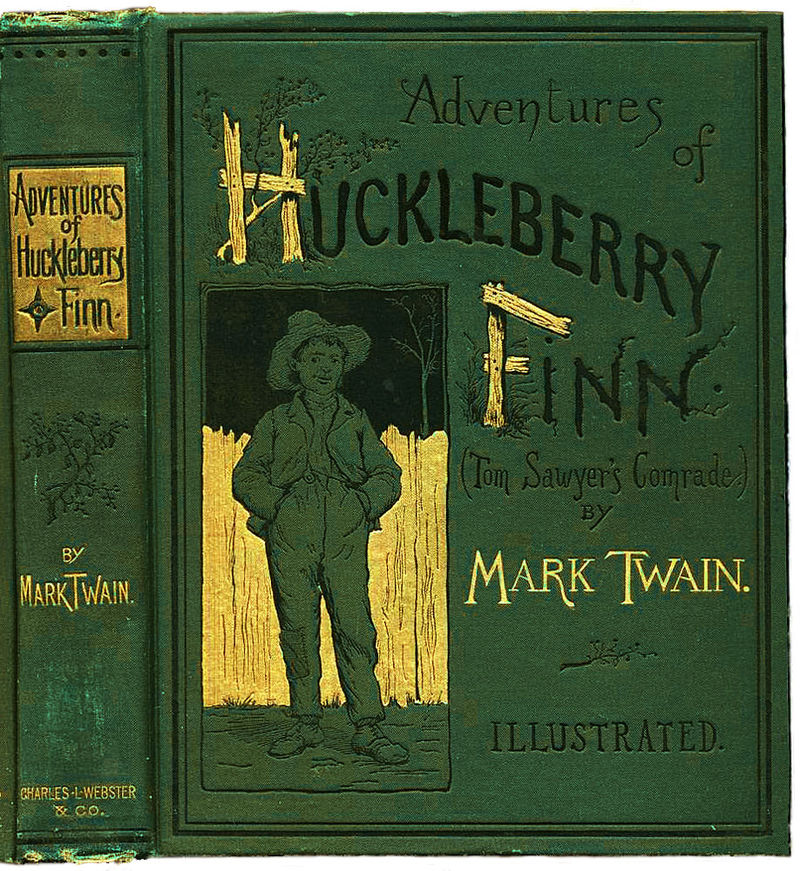
Mark Twain made history in American literature with the publication of Adventures of Huckleberry Finn in the United States on February 18, 1885. The book follows the journey of Huck Finn and Jim, a runaway enslaved man, as they sail down the Mississippi River. Throughout their adventure, they encounter various obstacles and face numerous threats, which help them better understand human behavior and the complexities of society.
Huckleberry Finn is recognized as a coming-of-age adventure that is a powerful commentary on the racial and moral issues that arose in America following the Civil War. Its use of dialect, humor, and social critique has established it as one of the most significant literary works of its time. Opinions often differ regarding the portrayal of race relations and the use of vernacular speech in the book. Despite being banned in some schools and libraries, “Huckleberry Finn” remains relevant, with Twain’s keen insights into real historical issues continuing to resonate.
The Adventures of Huckleberry Finn became a unique story because Mark Twain told it from Huck’s perspective while keeping his speech direct and familiar to local readers. Using this innovative storytelling method, Twain created a new benchmark for realistic description. According to Ernest Hemingway and other literary critics, the book established the base for contemporary American literature. The book’s ideas about being free with friends while making tough decisions struck people from every background.
A Legacy That Endures
Despite criticism for its language and content, *Adventures of Huckleberry Finn* has remained a required reading in schools and continues to engage young readers worldwide. The novel explores significant themes of freedom, morality, and friendship, which remain relevant today and inspire audiences in contemporary society.