
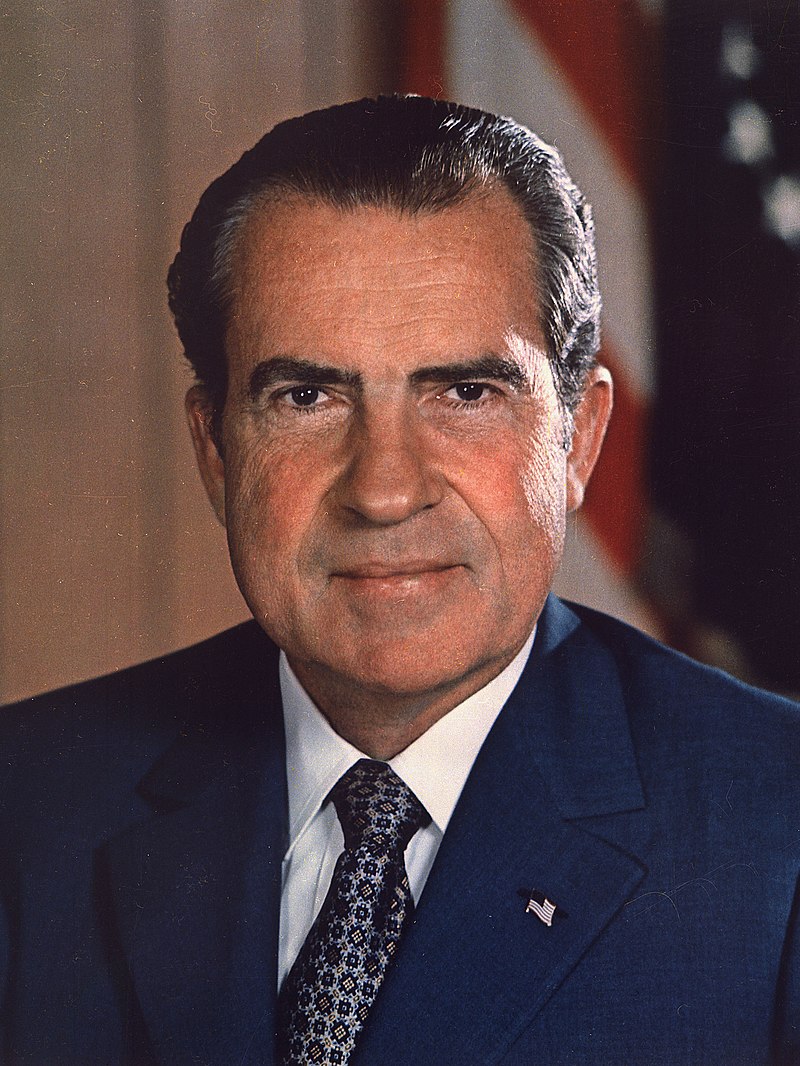
August 9, 1974, is a significant date in American political history, marking one of the most dramatic and consequential moments in the nation’s past. On this day, Richard Milhous Nixon became the first sitting president to resign from office. He left the White House for the final time as commander-in-chief, concluding a presidency overshadowed by scandal.
How it Unraveled
- The Scandal: It began with a break-in at the Democratic National Committee headquarters in the Watergate complex during the 1972 presidential campaign. The burglars had links to Nixon’s re-election committee.
- The Cover-Up: Nixon’s White House tried to block the investigation. Secret tapes revealed the president had known about the cover-up early on—and approved it.
- The Smoking Gun: On August 5, 1974, the release of the so-called “smoking gun” tape made it undeniable—Nixon had abused his power. Political support collapsed almost overnight.
- The Decision: Two days later, after meeting with top Republican leaders, Nixon accepted the truth. Impeachment was inevitable. Conviction in the Senate is almost certain.
On the night of August 8, President Nixon addressed the nation from the Oval Office. In a solemn 16-minute speech, he officially announced, “I shall resign the presidency effective at noon tomorrow.” He emphasized the importance of duty and prioritizing the country’s interests over personal ones. “America needs a full-time President and a full-time Congress,” he stated. “To continue to fight… would almost entirely consume the time and attention of both.”
There was no direct apology or admission of criminal guilt, but there was a sense of contrition. Nixon acknowledged, “Some of my judgments were wrong… I deeply regret any injuries that may have been done.” He expressed hope that his departure would “hasten the start of the process of healing.” At noon on August 9, Vice President Gerald Ford took the oath of office. In his inaugural remarks, Ford stated, “Our long national nightmare is over.”
The moment was extraordinary not just for its political gravity, but for its emotional weight. Here was a president, twice elected by the people, leaving in disgrace—not defeated at the ballot box, but undone by his own actions. It was a civic stress test for the Constitution. And the system held. The Watergate scandal had shown how fragile democracy could be when truth was buried under ambition.