
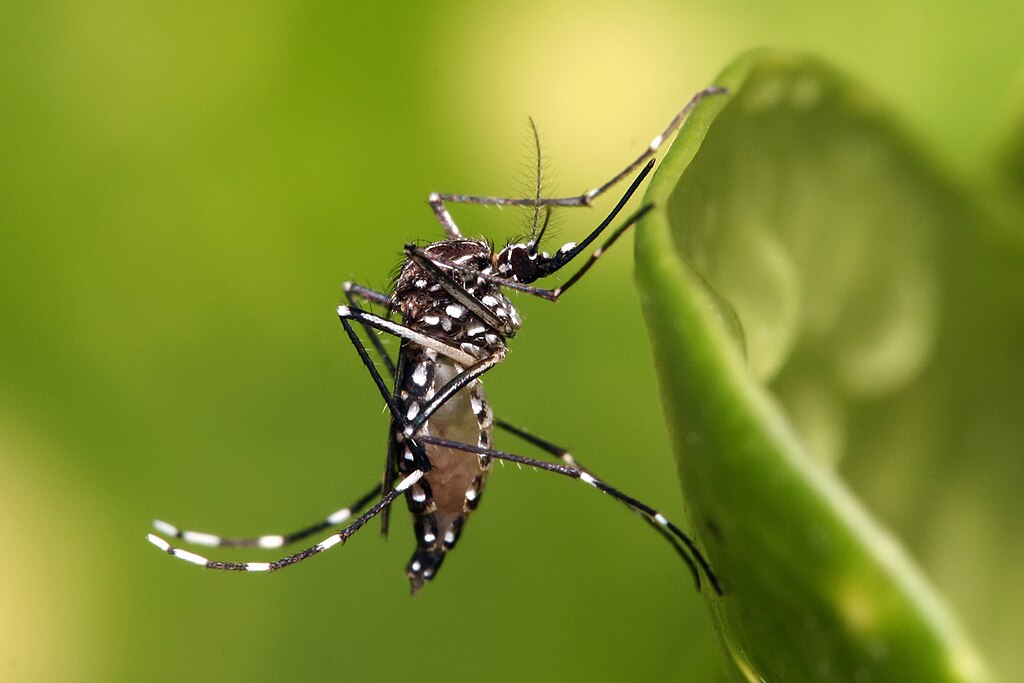
In a modest lab in Secunderabad, India, on August 20, 1897, a British doctor named Ronald Ross looked through a microscope and saw history change before his eyes.
What He Discovered
What he found that day was more than a parasite. He found the missing link between mosquitoes and malaria. His discovery put an end to centuries of guesswork and laid the foundation for modern public health.
Here’s the breakthrough in plain terms:
- Ross dissected a mosquito that had fed on a patient with malaria.
- Inside its stomach, he found pigmented cells—Plasmodium parasites.
- Four days earlier, he had let those mosquitoes bite a patient named Abdul Kadir.
- Now, he could prove the parasite survived and developed inside the mosquito.
This was no random fluke. Ross tracked the parasite’s journey:
- It moved from the mosquito’s gut to its salivary glands.
- From there, it could be injected into a new host through a bite.
- That meant mosquitoes weren’t just pests—they were vectors of the malaria parasite.
Why it Mattered
- Malaria had plagued humanity for thousands of years. The name itself, “mal aria”, meant “bad air,” reflecting old beliefs about its cause.
- Even into the 1800s, most scientists blamed swamp vapors or dirty water.
- Ross’s discovery offered the first clear, biological explanation: mosquitoes carried the disease.
Ross faced resistance. His mentor, Patrick Manson, initially believed malaria spread through drinking water. But Manson also encouraged Ross to keep digging. The work was grueling. Ross had little formal training in entomology and used fishing guides to classify mosquitoes.
Others would confirm his work. Italian scientist Giovanni Grassi later proved that the Anopheles mosquito passed the parasite to humans. But Ross had shown the life cycle in birds and laid the essential groundwork.
The Aftermath
For this, he earned the 1902 Nobel Prize in Physiology or Medicine—the first for a Briton and the first for research on tropical diseases.
More than just a scientist, Ross was a poet, musician, and mathematician. He wrote romantic fiction and later developed mathematical models for the transmission of diseases. But it’s the mosquito he’s remembered for.
His discovery did more than explain malaria. It changed how we fight disease:
- Draining swamps.
- Killing mosquitoes.
- Breaking the transmission cycle.
Those are public health tactics still used today. And August 20? Ross named it “Mosquito Day”—a tribute to the insect that helped unlock the mystery. Today, we call it World Mosquito Day.