
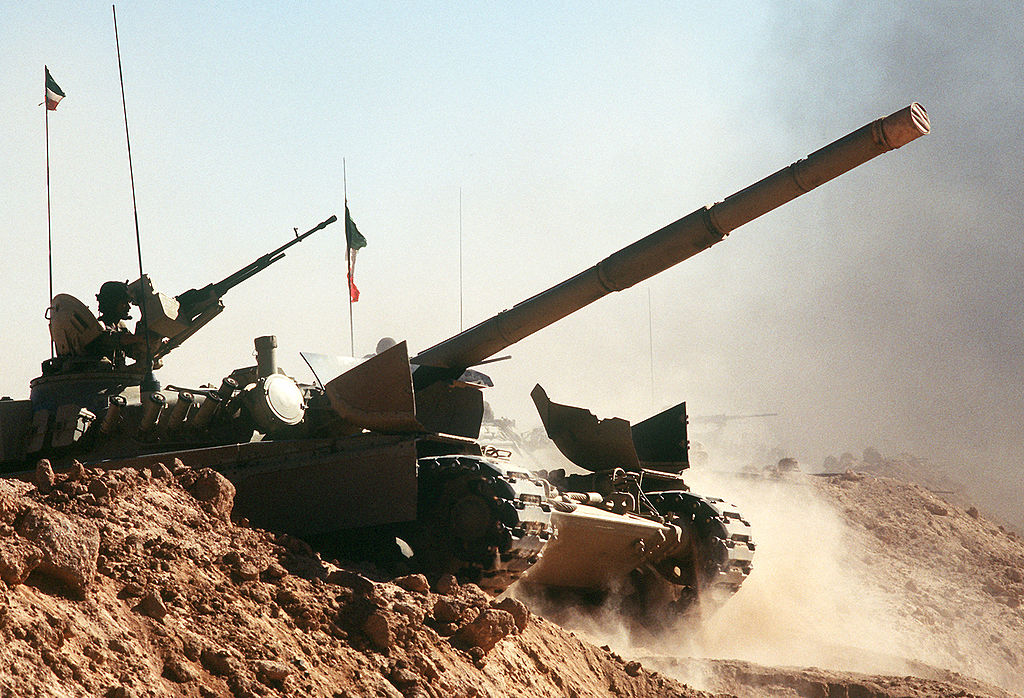
At dawn on August 2, 1990, the tanks of Saddam Hussein’s army rolled into Kuwait. Within 48 hours, the tiny Gulf nation had fallen. The world would never be the same.
Iraq’s dictator, Saddam Hussein, claimed that Kuwait was stealing oil by slant drilling into Iraq’s Rumaila field. However, his motives went deeper; he aimed to eliminate Iraq’s massive war debt and expand his regional power. Kuwait’s military stood little chance against Iraq’s army, which was one of the largest in the world at the time. The Iraqi forces swiftly overwhelmed Kuwait, forcing the Kuwaiti royal family to flee. The Emir’s palace was bombed, and Saddam declared Kuwait to be Iraq’s 19th province.
The international community reacted with shock. The United Nations immediately condemned the invasion. Sanctions followed. So did U.S. President George H. W. Bush’s fateful promise: “This aggression will not stand.”
The World Braced For War
- Operation Desert Shield began days later, with U.S. troops deploying to Saudi Arabia to prevent further Iraqi expansion.
- In January 1991, when Saddam ignored the UN’s deadline to withdraw, Operation Desert Storm began. The air war lit up the skies over Baghdad. Ground forces liberated Kuwait in a swift, 100-hour campaign.
- The war marked the dawn of 24-hour news coverage, precision-guided missiles, and a new kind of American military might.
This invasion didn’t just ignite a war; it transformed global alliances and sparked debates about oil and the use of military intervention. Additionally, it laid the groundwork for America’s deeper involvement in the Middle East. Thirty-five years later, the echoes of that morning still resonate. What began as a land grab evolved into a significant geopolitical turning point.