
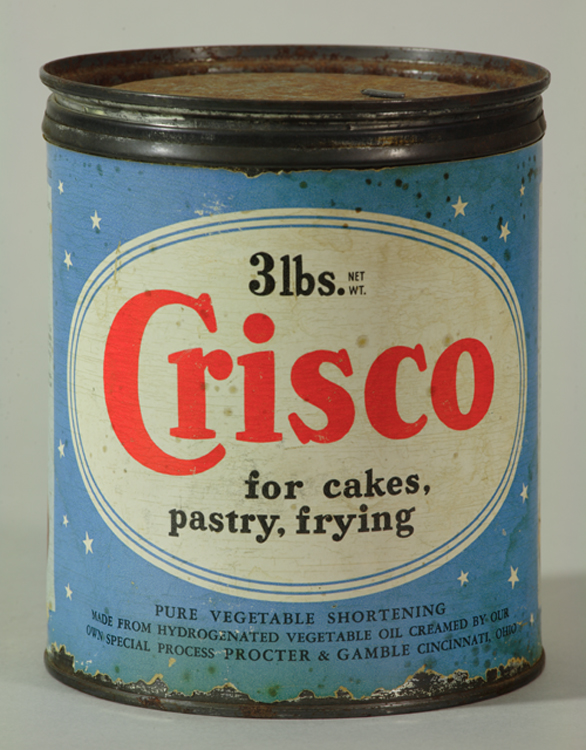
In the early 1900s, Procter & Gamble aimed to create a hardened soap from vegetable fats. However, what they developed instead was a product that revolutionized American cooking. On August 15, 1911, the Cincinnati-based company introduced Crisco—the first solid shortening made entirely from vegetable oil.
From Cottonseed to Kitchen Staple
Crisco’s name comes from “crystallized cottonseed,” referring to the vegetable oil it was initially made from. The innovation behind Crisco was hydrogenation—a process that transforms liquid oil into a solid fat at room temperature. This allowed Crisco to serve as a substitute for butter or lard in baking, frying, and general cooking, with the added benefit of a longer shelf life.
At that time, most kitchens relied on animal fats for cooking. Butter was expensive, while lard had a strong flavor and was becoming less popular among health-conscious homemakers. Crisco offered a clean, neutral-tasting alternative that was also more budget-friendly.
Selling the Idea of ‘Better Than Butter’
The challenge for Procter & Gamble (P&G) was not just producing Crisco, but also persuading the public to accept it. In 1911, there was significant skepticism surrounding “imitation” foods. To win over homemakers, P&G launched one of the earliest comprehensive modern advertising campaigns. They marketed Crisco as being healthier than animal fat and more economical than butter. Advertisements appeared in newspapers, on streetcars, and during the golden age of radio. P&G even distributed free cookbooks with recipes specifically designed for Crisco, featuring dishes like flaky pie crusts and golden-fried chicken. The message was clear: Crisco was modern, pure, and here to stay.
A Culinary Shift
The timing couldn’t have been more perfect. America was industrializing, urban populations were growing, and food preservation was becoming a growing concern. Crisco’s long shelf life made it ideal for busy households and for shipping to rural areas. By offering a consistent product unaffected by seasons or dairy shortages, P&G gave home cooks something new: reliability. Crisco quickly dominated the shortening market, outpacing lard within a decade.
Later Years and Lasting Impact
Over the decades, Crisco adapted. In 2002, J.M. Smucker Company bought the brand and removed trans fats, responding to modern health concerns. Today, Crisco comes in multiple forms—solid shortening, liquid oils, and cooking sprays—but the original product’s impact still echoes in kitchens everywhere.