
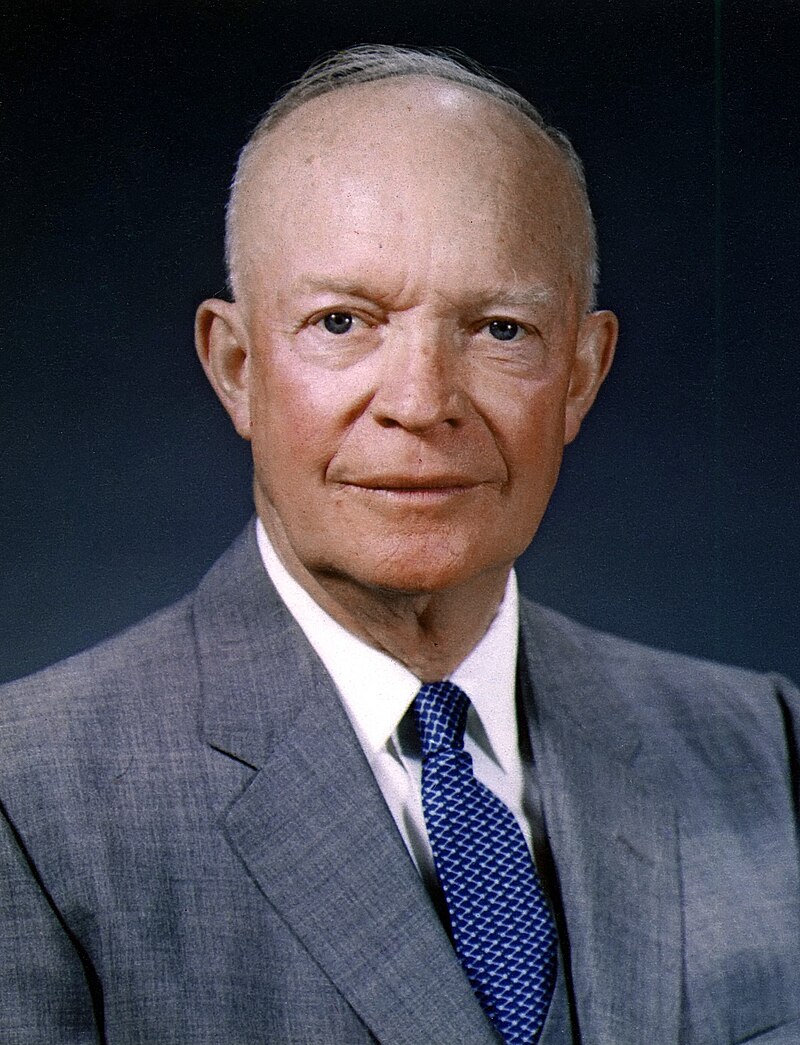
Today in history, on August 12, 1955, President Dwight D. Eisenhower signed a law that had a significant impact on American workers. The federal minimum wage increased from 75 cents to $1.00 per hour. While this change may seem small on paper, it was a significant benefit for millions of workers across the country.
Why it Mattered
- The federal minimum wage had existed since 1938, thanks to the Fair Labor Standards Act (FLSA).
- During the Great Depression, the minimum wage started at 25 cents per hour.
- By 1955, after several incremental bumps, the minimum wage had reached 75 cents.
- But as prices rose post-WWII, that wasn’t cutting it anymore.
Eisenhower’s decision to raise the minimum wage to $1 was significant beyond just the numerical increase; it was a powerful statement. He believed that fair pay was vital for a healthy economy. Eisenhower argued that raising the minimum wage would improve living standards, increase consumer spending, and foster economic stability. In essence, he believed it was not only an ethical issue but also a financial necessity.
While Great, The Law Wasn’t Perfect
Many workers weren’t covered. Retail, service, construction, and agricultural workers were still left out, which meant millions of low-paid workers didn’t benefit from the $1 floor. Critics argued that the wage hike would lead to inflation or result in job losses. That didn’t pan out. And this raise didn’t happen in a vacuum.
The labor movement had been pushing hard. Unions and worker advocates rallied behind the wage hike, insisting that working full-time should mean living above the poverty line. The growing middle class, a cornerstone of 1950s America, helped give the campaign its legs. And it worked.
By the time the wage increase took effect on March 1, 1956, the law had already begun to reshape the labor market. Workers had more buying power. Employers had to rethink compensation. And policymakers began to realize that wage floors needed regular updates to keep pace with inflation.
The $1 minimum wage of 1955 would be worth approximately $11 today, adjusted for inflation. That’s nearly 50% higher than today’s federal minimum wage of $7.25, which has remained unchanged since 2009.
So, what can we take from this?
- A raise in the minimum wage has ripple effects. It lifts standards, fuels demand, and reduces inequality.
- Every wage increase has its battles, but history shows the sky rarely falls when it happens.
- The 1955 raise was a landmark—both for what it achieved and for what it failed to include.
August 12, 1955, reminds us that every dollar counts. That wage policy is people policy.