
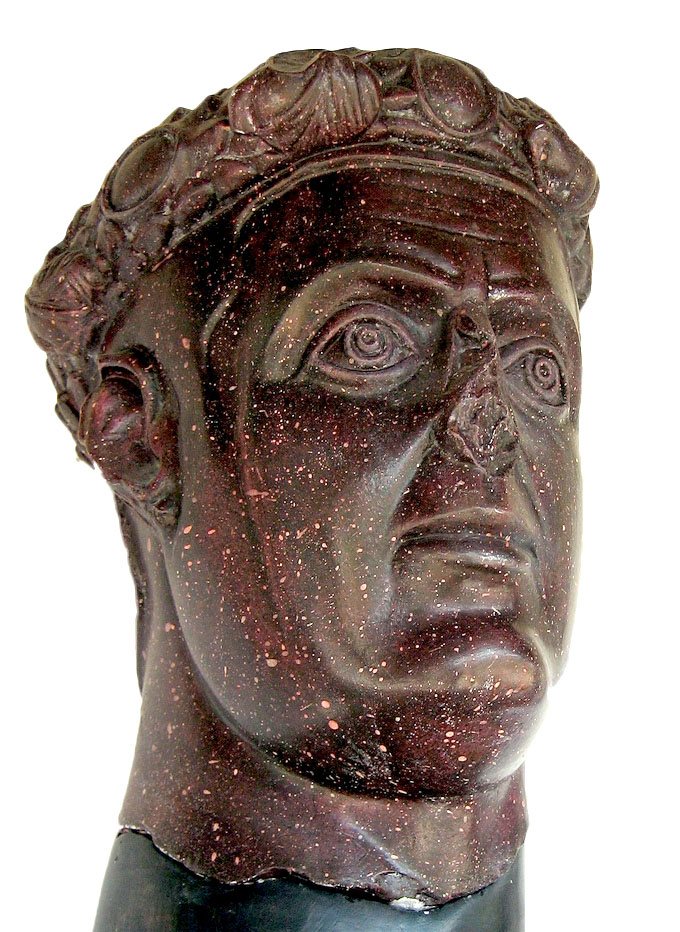
In the final days of his life, Roman Emperor Galerius made a decision that would echo through history. On April 30, 311, from his deathbed, he issued the Edict of Toleration—officially halting the brutal persecution of Christians in the Eastern Roman Empire.
For nearly a decade, Christians had endured the most intense crackdown in Roman history. Known as the Diocletianic or Great Persecution, this empire-wide effort sought to crush the Christian faith. Churches were destroyed. Scriptures were burned. Clergy were imprisoned or executed. Worship became a crime.
Galerius, who had once been one of the fiercest persecutors, now reversed course.
By 311, Galerius was dying of a painful illness, likely cancer. His suffering—and perhaps fear of divine retribution—prompted a dramatic and profound change of heart. He proclaimed the city of Serdica (modern Sofia, Bulgaria), offering Christians legal status and the freedom to gather, as long as they did not disturb public order.
Galerius admitted that persecution had failed to make Christians return to the Roman religion. He allowed them to worship their God, requesting only that they pray for the empire’s well-being and not disturb public order. While the edict didn’t grant full equality, it marked the first official recognition of Christianity as a legal religion in the Roman world, allowing Christians to practice their faith openly within certain boundaries.
A Turning Point
The Edict of Toleration was a milestone. It ended the Diocletianic persecution in Galerius’s domains. It paved the way for the Edict of Milan in 313, which, under the rule of Constantine the Great and Licinius, would declare complete religious freedom across the empire. The Edict of Milan is significant as it not only extended the religious freedom granted by the Edict of Toleration but also established Christianity as a favored religion in the Roman Empire.
Galerius’s edict did more than end suffering—it altered the course of Western history. Christianity, once outlawed, would soon rise to become the dominant faith of the Roman Empire.
The Edict of Toleration didn’t come from triumph, but from weakness and reflection. Yet its impact was monumental, casting a long shadow over history. On April 30, 311, the Roman world took its first official step toward religious pluralism, and Christianity emerged from the shadows.