
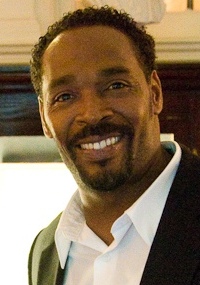
Today in history marks the day that a jury in Simi Valley, to the shock and disbelief of many, acquitted four Los Angeles Police Department officers charged with the brutal beating of Rodney King, an unarmed Black motorist. The incident was captured on video by a bystander and had already ignited public outrage. The verdict that was announced on the afternoon of April 29, 1992, acted as a catalyst, unleashing a violence and unrest that would grip Los Angeles for six long days.
The riots began in South Central Los Angeles, where residents, disillusioned by years of systemic racism and police brutality, courageously took to the streets in protest. It wasn’t long before the unrest escalated into widespread looting, arson, and assaults. There are several iconic images, such as the televised beating of truck driver Reginald Denny at the intersection of Florence and Normandie, that underscored the chaos engulfing the city.
Devastating Consequences:
Throughout the riots:
- 63 people died.
- More than 2,300 individuals were injured.
- Approximately 12,000 arrests were made.
- An estimated $1 billion in property damage occurred, a staggering figure that affected over 3,000 businesses.
Koreatown, in particular, suffered extensive damage, highlighting existing tensions between Korean-American merchants and the African-American community. With minimal police presence, many Korean shop owners armed themselves to protect their businesses, leading to the emergence of the “rooftop Koreans” as a symbol of self-defense during the riots.
The officer’s acquittal triggered immediate reactions, but the riots were rooted in deeper issues and had been a long time coming. The riots included people lashing out due to economic disparity, racial discrimination, and a history of strained relations between law enforcement and minority communities. The 1991 killing of Latasha Harlins, a 15-year-old Black girl shot by a Korean store owner who received no jail time despite the incident being caught on camera, further exacerbated community tensions.
In response to the riots, the LAPD faced intense scrutiny, leading to leadership changes and calls for reform.