
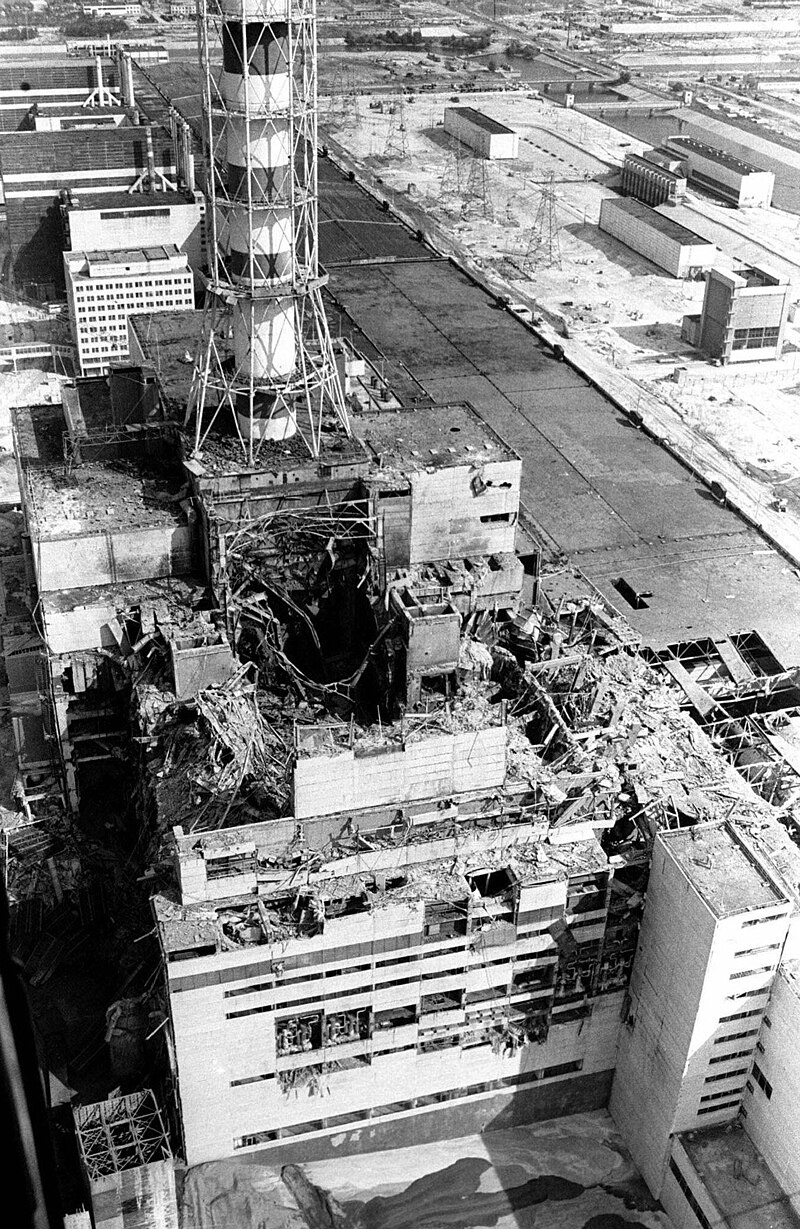
In the early morning hours of April 26, 1986, the quiet town of Pripyat in Soviet Ukraine was shaken by a disaster that would reverberate across the globe. During a late-night safety test at Reactor No. 4 of the Chernobyl Nuclear Power Plant, a sudden power surge triggered a series of explosions, releasing a massive cloud of radioactive material into the atmosphere. The disaster not only forced thousands to evacuate but also left a haunting legacy of health, environmental, and political consequences.
The fallout from the explosion was immediate and devastating. Two workers, who bravely faced the danger, died on-site, and within weeks, dozens more perished from acute radiation sickness. Soviet authorities initially attempted to cover up the incident, but increased radiation levels detected in Sweden forced them to reveal the truth.
Over 350,000 people were evacuated from the region, and the nearby town of Pripyat became a ghost city. A massive sarcophagus was built over the damaged reactor to contain the radiation. Still, the long-term effects continued to emerge in the form of cancer cases, environmental damage, and genetic mutations.
The Chernobyl disaster became a turning point for the nuclear energy industry. It led to heightened safety regulations, international transparency agreements, and a profound reevaluation of nuclear policies worldwide. It also exposed the risks of secrecy and inadequate crisis management under the Soviet regime.
Interesting Facts:
- The explosion occurred during a flawed safety test on Reactor No. 4.
- The disaster released more radiation than the Hiroshima and Nagasaki bombs combined.
- Pripyat, once home to nearly 50,000 people, remains abandoned to this day, except for some wild animals that have made the area their home.
- A 30-kilometer exclusion zone still surrounds the site.
- The 2019 miniseries Chernobyl renewed public interest in the event.
- Despite the high radiation, some wildlife has returned to the exclusion zone, making it an eerie but thriving refuge for certain species.