
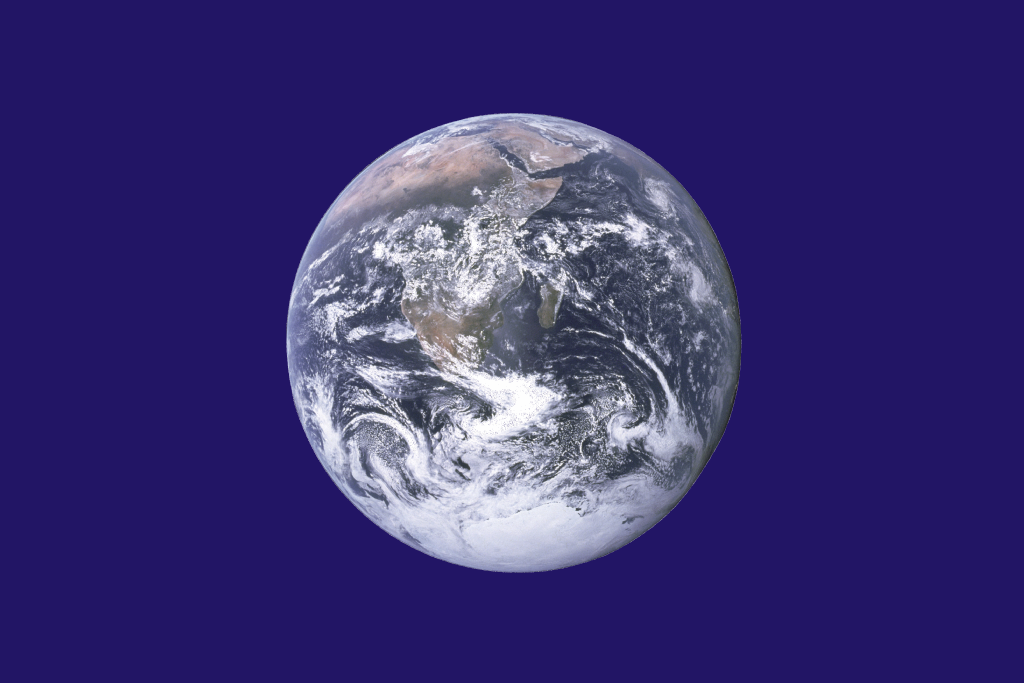
After 150 years of rapid industrial growth, the first Earth Day on April 22, 1970, symbolized hope for environmental conservation. An impressive 20 million Americans participated in nationwide protests, motivated by the urgent need for environmental protection and sustainability.
Americans operated large but inefficient vehicles throughout the years before Earth Day, primarily due to their dependence on leaded gasoline. Meanwhile, the automobile industry, unafraid of legal consequences, continued to release smoke and sludge into the atmosphere. At that time, people usually viewed air pollution as an indication of the community’s wealth and prosperity.
For many years, Wisconsin’s junior senator, Gaylord Nelson, had been worried about the state of the American environment. He then saw the devastation caused by a massive oil leak in Santa Barbara, California, in January 1969, along with many others. Senator Nelson intended to capitalize on the growing public awareness of air and water pollution to boost the momentum of student anti-war demonstrations. Senator Gaylord Nelson enlisted young activist Denis Hayes to assist in planning campus teach-ins and bringing the project to a national level. They selected April 22 to guarantee high student participation, as it was well situated between spring vacation and final exams. Hayes assembled a nationwide team and rallied various organizations, including religious congregations and environmental advocacy groups. After being dubbed Earth Day, the occasion immediately attracted public interest and national media coverage.
This significant event led to the creation of the Environmental Protection Agency and the introduction of major environmental legislation, including the Clean Air Act and the Clean Water Act. Today, Earth Day is celebrated globally, inspiring over one billion people each year to engage in environmental advocacy.