
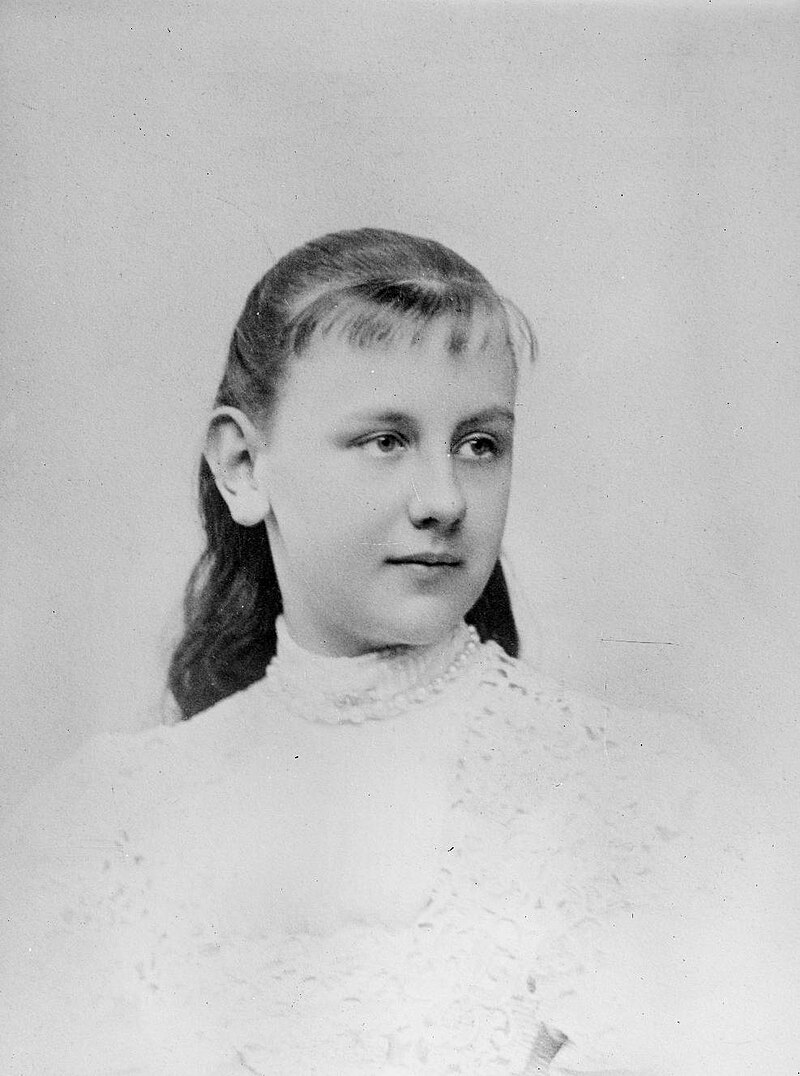
On this day in history, November 23, 1890, a small European nation crowned its youngest monarch. Ten-year-old Wilhelmina of Orange-Nassau became Queen of the Netherlands, stepping into a role her country hadn’t expected her to fill—at least not so soon. Her father, King William III, had died that morning, leaving behind a kingdom, a widow, and a child queen who would go on to reign for nearly six decades.
A Nation’s Only Heir
Wilhelmina was born on August 31, 1880, in The Hague. By then, her father was in his sixties and had outlived all three of his sons from a previous marriage. Her mother, Queen Emma, became the power behind the throne as regent until Wilhelmina turned eighteen. For the next eight years, it was Emma who ensured that the monarchy held firm in a changing world, while Wilhelmina grew into her destiny.
But even as a child, Wilhelmina had an iron will. Queen Victoria of Britain once met her and called her “graceful, intelligent, and extremely well-mannered.” Behind those manners, though, was a mind that would shape Dutch politics, business, and morale through the hardest of times.
A Symbol of Strength in Storms
Wilhelmina’s reign spanned an extraordinary stretch of modern history. She witnessed the Netherlands hold its neutrality in World War I, guided her nation through economic collapse in the 1930s, and became a voice of resistance in exile during World War II. When Nazi forces overran her homeland, she fled to Britain and led the Dutch government-in-exile. Her fiery speeches on Radio Orange rallied a battered people back home.
Her presence was more than ceremonial. She was outspoken, defiant, and determined. When German bombs fell on Rotterdam, she publicly declared a “flaming protest” and refused to recognize the occupation. Even Churchill admired her. To her people, she was not just a monarch—she was the Netherlands itself, alive in London.
A Queen by Right and Choice
In 1948, after nearly 58 years on the throne, Wilhelmina abdicated due to health issues and passed the crown to her daughter, Juliana. Unlike other monarchs clinging to power, Wilhelmina chose her exit. She retired quietly to Het Loo Palace, where she wrote memoirs that revealed a deeply religious, introspective woman who had carried the burden of a nation.
Her book, Eenzaam maar niet alleen (“Lonely but Not Alone”), spoke volumes. She had ruled through two world wars, political upheaval, and social change—but she had done it with resolve and a sense of duty few could match.
The girl who became queen at ten would become a symbol of survival and steadiness in an uncertain world.