
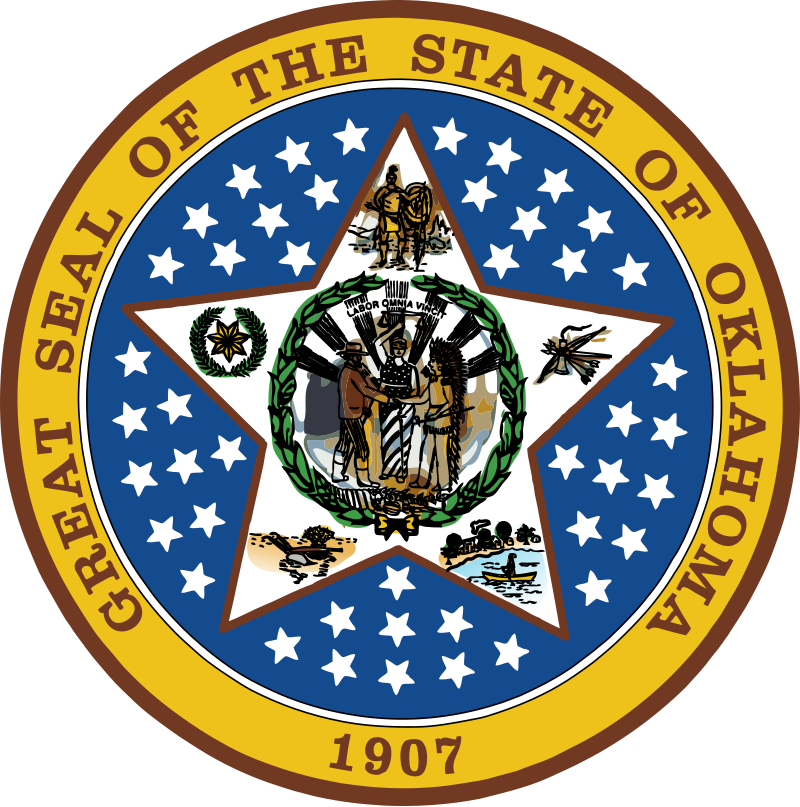
On this day in 1907, a land known for cowboys, oil fields, and rich Native American heritage joined the Union. Oklahoma officially became the 46th state of the United States. But this wasn’t just another star added to the flag. It marked the dramatic conclusion of one of the most complex paths to statehood in American history.
From Indian Territory to Statehood
- Much of what is now Oklahoma was part of the Louisiana Purchase in 1803.
- The U.S. designated the land for displaced Native American tribes under the Indian Intercourse Act of 1834. It became known as Indian Territory.
- Throughout the 19th century, tribes such as the Cherokee, Choctaw, Chickasaw, Creek, and Seminole were forcibly relocated to this region via the Trail of Tears.
- Meanwhile, the western part of the area was organized as the Oklahoma Territory in 1890, opening it to white settlers.
Two worlds, Indian Territory and Oklahoma Territory, developed side by side, each with its own population, economy, and governance.
The Push for Unity
Despite their separate histories, Congress insisted on admitting the two territories as a single state. Some Indigenous leaders resisted, preferring a separate state called “Sequoyah.” But their proposal was rejected.
In January 1906, delegates from both territories met in Oklahoma City. They held a joint convention, outlined their case for statehood, and drafted a petition to Congress.
Months of political struggle followed, with Congress debating whether to bundle Oklahoma’s admission with that of New Mexico and Arizona. In the end, Oklahoma stood alone. The enabling act, passed on June 16, 1906, authorized the creation of a state constitution and government.
A New Star Rises
The people of both territories approved statehood in a September 1907 vote. On November 16, 1907, President Theodore Roosevelt signed Proclamation No. 780, officially admitting Oklahoma to the Union. In his message to Congress weeks later, Roosevelt celebrated Oklahoma’s entrance, noting that its “great natural resources” promised a bright future.
Legacy and Impact
- The name “Oklahoma” comes from the Choctaw words okla (people) and humma (red).
- The state’s nickname, “The Sooner State,” honors settlers who entered Indian lands early during land runs.
- Today, Oklahoma is home to 39 federally recognized tribes and remains a vital cultural center for Native American communities.
- Its statehood was a turning point in the transformation of the American West—from Indigenous land to U.S. statehood.