
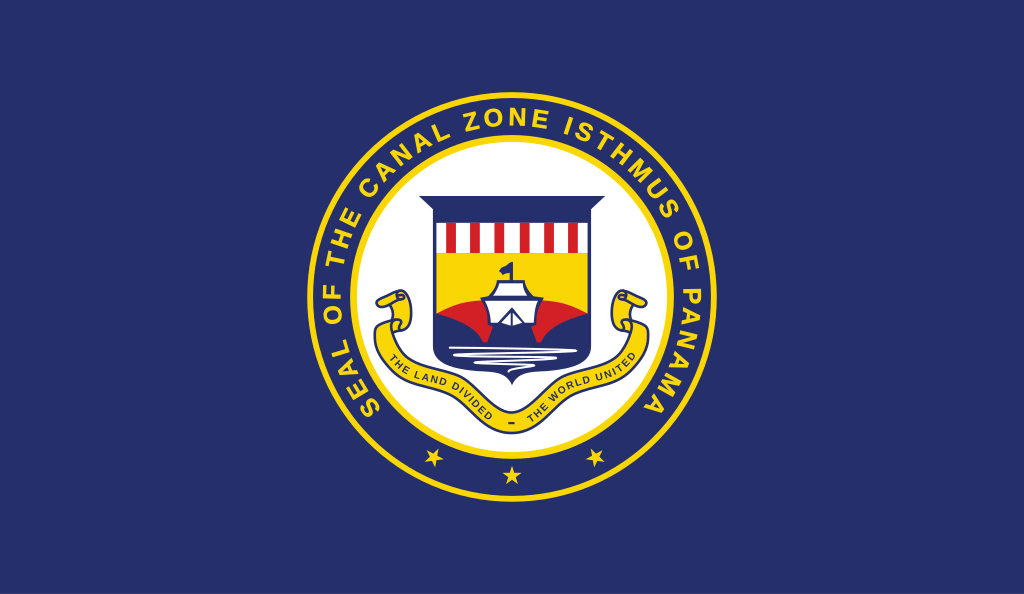
On October 1, 1979, a 76-year era of American dominance in Central America came to an end with the official abolition of the Panama Canal Zone. This region, which had long been a source of pride, protest, and political contention, was returned to Panama, marking the first time since 1903 that the country regained sovereignty over the land that divided its territory.
A Nation Divided
The concept of building a canal across Panama dates back to the Spanish conquest in the 1500s. However, it wasn’t until the early 20th century that the United States made this idea a reality. After supporting Panama’s independence from Colombia in 1903, the U.S. government secured the Hay-Bunau-Varilla Treaty, which granted the United States control over a 553-square-mile Canal Zone “in perpetuity.” Between 1904 and 1914, American engineers and laborers excavated the canal through dense jungle and mountainous terrain, incurring significant human losses. The Canal Zone itself became an American enclave, complete with its own government, police force, courts, schools, and even postage stamps. The residents referred to themselves as “Zonians.”
For the U.S., the canal was a triumph of engineering and a linchpin of global trade. However, for Panamanians, the Zone was a daily reminder of foreign control, physically and politically separating the nation.
Clashes and Protests
Over time, the resentment continued to grow, and Panamanians saw the Zone as an insult to their sovereignty. Riots erupted in 1958 and 1959, and again in January 1964, when a dispute over flag displays escalated into days of violence. Dozens were killed, and relations between Washington and Panama nearly broke down. Gradually, the U.S. eased restrictions, allowing Panamanian flags to fly alongside American ones, but demands for full sovereignty only grew louder.
By the 1970s, negotiations took center stage regarding the Panama Canal. Panama’s leader, General Omar Torrijos, pushed for complete control of the canal. U.S. President Jimmy Carter acknowledged the growing nationalism and the symbolic significance of the Canal Zone. In 1977, Carter and Torrijos signed two treaties. The first treaty abolished the Canal Zone, effective October 1, 1979. The second treaty established a timetable for the U.S. to transfer complete control of the canal operations by December 31, 1999.
The Day of Handover
When the treaties took effect, the Zone as a political entity ceased to exist. Panama assumed authority over much of the land, though dozens of U.S. military bases and facilities remained under joint or American control until the final transfer. Zonians watched with mixed emotions; many were proud of their unique community, others resigned to the inevitable.
For Panama, the day was a milestone. The country reclaimed land that had symbolized outside domination for generations. For the United States, it was a test of trust and an admission that the era of holding colonial-style enclaves in Latin America was over.
A Symbol Beyond Trade
The canal itself remained under joint management until the final handover in 1999. But the 1979 transfer reshaped Panama’s identity.