
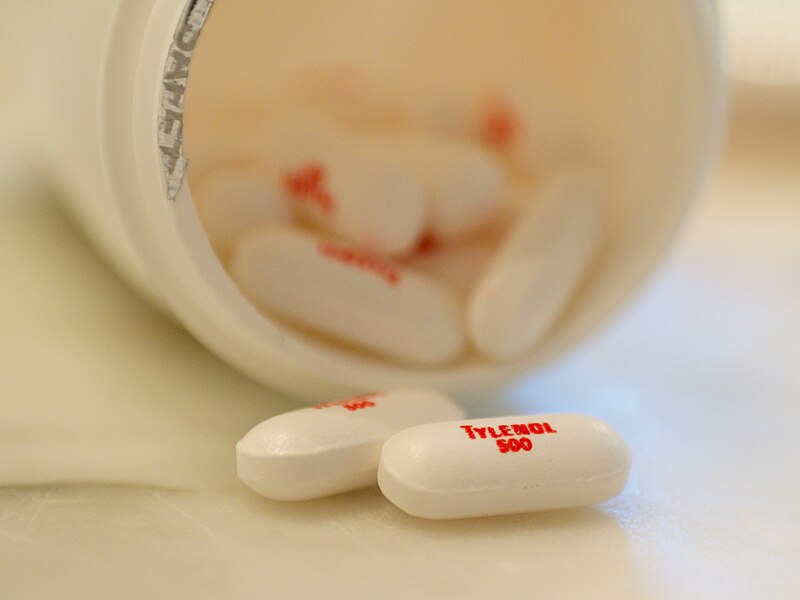
On September 29, 1982, an ordinary bottle of Tylenol Extra-Strength capsules became the weapon in one of the most chilling unsolved crimes in American history. By the end of that day, several people around Chicago were dead, and millions across the country were suddenly afraid of the medicine in their own homes.
The First Victim
That morning, twelve-year-old Mary Kellerman of Elk Grove Village complained of a sore throat. Her parents gave her a Tylenol capsule. Within hours, she was dead. The cause wasn’t clear at first, until more strange deaths began to surface.
In Arlington Heights, 27-year-old Adam Janus collapsed and died, initially thought to be from a heart attack. His family gathered to mourn. In their grief, Adam’s brother Stanley and sister-in-law Theresa each took Tylenol from the same bottle. Both soon collapsed. Stanley died that day, and Theresa followed two days later. By the end of the week, seven people, including Mary McFarland, Paula Prince, and Mary Reiner, had died after taking Tylenol capsules laced with potassium cyanide.
A City in Panic
The connection came quickly. A nurse, Helen Jensen, noticed Tylenol bottles at the Janus household and alerted authorities. Tests revealed capsules containing enough cyanide to kill several people. Investigators concluded the tampering hadn’t occurred in the factory. Someone had pulled Tylenol bottles off store shelves, poisoned them, and quietly returned them for unsuspecting shoppers to buy.
Chicago erupted in panic. Supermarkets and drugstores pulled Tylenol from their shelves. Customs officials even asked travelers entering the United States if they carried Tylenol. Ordinary families emptied medicine cabinets into the trash.
Johnson & Johnson’s Response
The crisis put Johnson & Johnson, the manufacturer of Tylenol, in the hot seat. At the time, Tylenol controlled over a third of the pain-reliever market. Within days, that share collapsed to under 10%. But the company acted boldly. They issued a recall of 31 million bottles, halted production, and launched nationwide warnings. They offered replacements and a reward for information. By November, Tylenol returned to stores in triple-sealed, tamper-resistant packaging—a first for the industry.
This swift, transparent response not only saved the brand but also set a gold standard for corporate crisis management. Within a year, Tylenol had regained its market dominance.
An Unsolved Crime
Despite decades of investigation, the killer has never been caught. James Lewis, who mailed a ransom letter to Johnson & Johnson demanding $1 million, was convicted of extortion but never tied conclusively to the murders. Other suspects were investigated, including Roger Arnold, but no charges for the poisonings were ever filed.
A Lasting Legacy
The Tylenol murders changed daily life in subtle but lasting ways. The tamper-evident seals we now take for granted on medicine bottles, food, and drinks trace directly back to that autumn of 1982. Congress passed the “Tylenol Bill” in 1983, making product tampering a federal crime.