
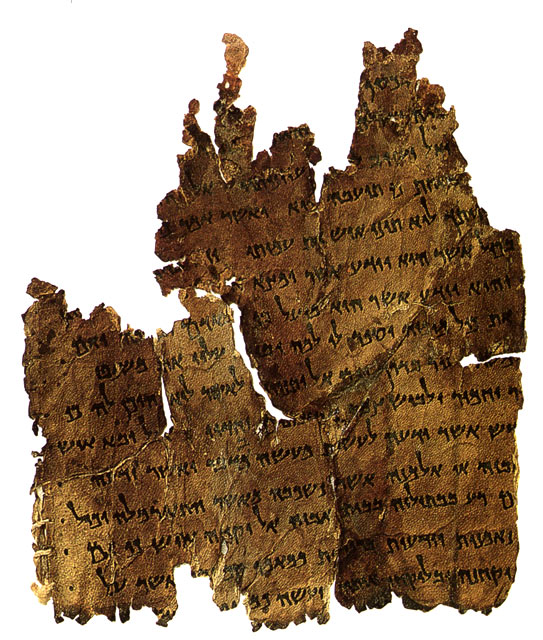
The Huntington Library in San Marino, California, made a groundbreaking announcement on September 22, 1991. It declared it would provide open access to its complete photographic archive of the Dead Sea Scrolls. This decision broke decades of tight scholarly control and was hailed as a victory for intellectual freedom and open research.
What Are the Dead Sea Scrolls?
Discovered between 1947 and 1956 by Bedouin shepherds near Qumran, east of Jerusalem, the Dead Sea Scrolls are a collection of some 800 manuscripts written in Hebrew and Aramaic. Dating from around 200 BCE to the first century CE, the scrolls include books of the Hebrew Bible as well as sectarian texts that shed light on the religious and social life of the time. They are considered one of the most important archaeological discoveries of the 20th century.
Restricted Access
For years after their discovery, access to the scrolls was tightly controlled. A small group of scholars, often referred to as a “cartel,” had exclusive rights to study, edit, and publish them. Most researchers, students, and the general public had to rely on limited and selective publications, sparking frustration and accusations of elitism.
Although duplicate photographs were stored in various institutions, including Harvard, Oxford, and Hebrew Union College, these collections were largely inaccessible without approval from the Israeli Antiquities Authority and the designated editors.
The Huntington Library’s Bold Move
The situation shifted dramatically when William A. Moffett, director of the Huntington Library, announced that the institution would open its archive of 3,000 master photographic negatives to any qualified scholar. The collection included both published and unpublished texts, some photographed before the fragments deteriorated further over time.
The media described Moffett’s decision as the equivalent of “breaking down the Berlin Wall” for biblical scholarship. It unleashed a publicity storm, with front-page coverage in The New York Times and Los Angeles Times, along with commentary praising the move as progressive and overdue.
Controversy and Praise
Unsurprisingly, the announcement angered members of the original editorial team, who argued that it violated agreements made with Israeli authorities in the 1980s. They insisted that only those who had dedicated years to deciphering the scrolls should retain first rights to publication.
However, many scholars welcomed the decision. Lawrence Schiffman of New York University compared the move to the “Robin Hood” scholarship, taking knowledge from the academically privileged and giving it to those hungry to learn. For the first time, graduate students and independent researchers could study the scrolls without fear of being contradicted by unseen, unpublished material.