
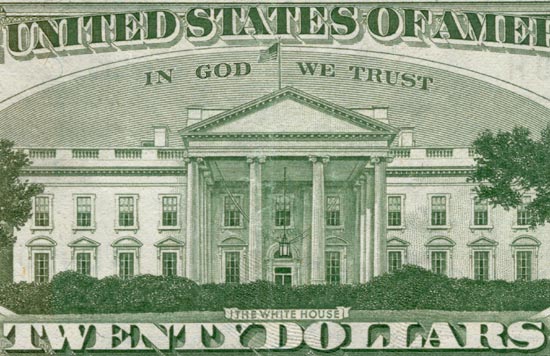
Following World War II, the world experienced a period marked by significant political tensions and unrest, particularly between the two major Allied powers: the United States and the Soviet Union. These two nations had deep ideological differences that influenced how they governed the territories they acquired after the war. The Soviet Union operated as an atheistic society with a one-party political system based on communism. At the same time, the United States promoted a democratic model that emphasized freedom and recognition of God. The Cold War, which spanned from 1947 to 1991, was largely defined by these opposing ideologies. In an effort to highlight the United States’ religious values, President Dwight D. Eisenhower approved the national motto “In God We Trust” on July 30, 1956.
The phrase “In God We Trust” was not new when it became the official motto of the United States. It was originally introduced after the Civil War and approved by President Abraham Lincoln to appear on all U.S. coinage. This post-Civil War era was marked by turmoil, as many sought divine protection for the new nation and reaffirmed their faith. The adoption of the phrase as the official motto during the Eisenhower Administration occurred at a time of heightened religious sentiment in the country. The U.S. aimed to distinguish itself from the atheistic society of the Soviet Union. This emphasis on religious values led to the requirement that all printed money, including coins, feature the new slogan as the official motto of the country.
The adoption of “In God We Trust” as the official motto of the United States was not without controversy. While it was largely accepted at the time of its signing in 1956 due to the tensions of the Cold War, the motto has faced significant criticism over the years. Many opponents argue that its adoption during the Cold War was politically motivated rather than a reflection of the nation’s beliefs. Others contend that it promotes a specific religious viewpoint, thereby violating the First Amendment rights of individuals. However, a recent poll indicates that a majority of Americans still support the motto, which has been used as justification for its continued use today.