
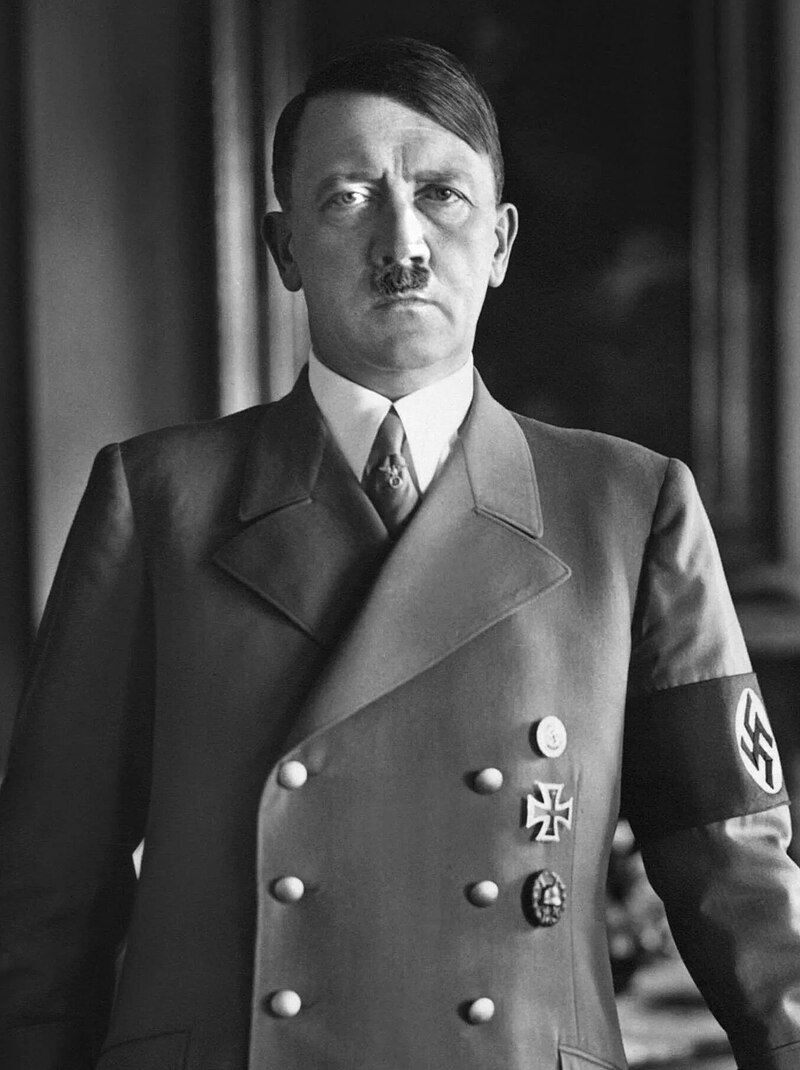
Adolf Hitler’s rise to power in Germany was not entirely smooth. He joined the Nazi Party in 1919 and quickly became its leader. However, his failed coup attempt against the Bavarian government in 1923 led to his arrest and subsequent trial for treason. He was sentenced to five years in prison, but he served only nine months of that term. During his time in prison, he wrote his manifesto, known as Mein Kampf, which outlined his ideology of Nazism. Upon his release, Hitler’s goals of gaining power remained unchanged, but his methods shifted. He decided to pursue power through legal means, though his tactics were often controversial. Although the German government did not universally approve of him, he nonetheless managed to gain control. On July 22, 1933, Hitler was appointed Chancellor of Germany’s coalition government, despite not having the majority vote. This appointment marked the beginning of the Third Reich and the rise of Nazi Germany.
Hitler’s election was not the result of an illegal coup or merely a surge in popularity. The Nazi Party was becoming a significant force in Germany’s Reichstag, and Adolf Hitler appeared to be a potential agent for change who could stabilize a country struggling since the end of World War I. However, it took considerable pressure from conservative factions to secure his election. Unfortunately, the conservatives mistakenly believed that once in power, they could control Hitler and the Nazi Party to further their own agenda. Instead, they were outmaneuvered by him.
The impact of Hitler’s election as Chancellor was significant. This position of power enabled him to radically change the structure of Germany’s government. His leadership style was both persuasive and ruthless, allowing him to swiftly transform the government from a democracy into a totalitarian dictatorship. Although Hitler’s election did not immediately result in the seizure of power, it laid the groundwork for the expansion of Nazi influence and ideology, ultimately setting the stage for the atrocities of World War II.