
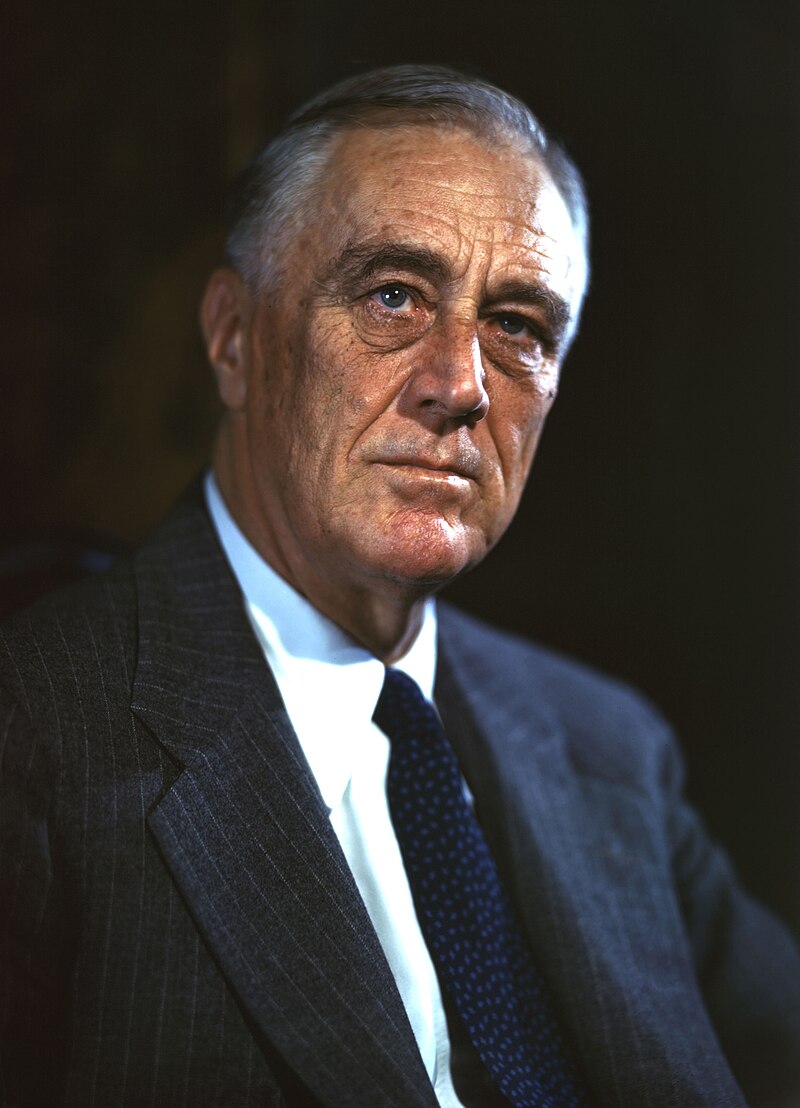
On April 12, 1945, the world lost its most significant leader, Franklin D. Roosevelt, who passed away at the age of 63. His unexpected death in Warm Springs, Georgia, caused profound national mourning and global distress, connecting people across continents in their shared grief.
The American people had elected Roosevelt to office four times, a record in U.S. history. Multitudes who relied on his leadership were devastated. Harry S. Truman, sworn in as the 33rd president, immediately faced the immense task of leading the nation through the war’s final stages.
Through the New Deal, FDR led Americans out of the Great Depression, a monumental achievement we still appreciate today. He became a president who transformed executive powers. The Civilian Conservation Corps gained its foundation from President Roosevelt, who designated it to fight both employment threats and natural conservation needs to preserve natural resources in America. Historical documents demonstrate that he drove the Allies to achieve victory during World War II with his leadership.
Roosevelt started his fourth term as president in January 1945, which became an event that later presidents could not achieve because of term limitations. Franklin’s health gradually declined over multiple years due to heart failure alongside blood pressure issues and the effects of his history with polio. The painter stopped mid-portrait as FDR collapsed from a sudden headache and lost consciousness. Medical professionals determined his death when he failed to wake up after his collapse.
Although he passed away at a pivotal moment in history, his legacy of fortitude and advancement lives on. Roosevelt’s resilience in the face of personal and national challenges inspires us. His ideas and plans for a more prosperous and inclusive America still influence today.