
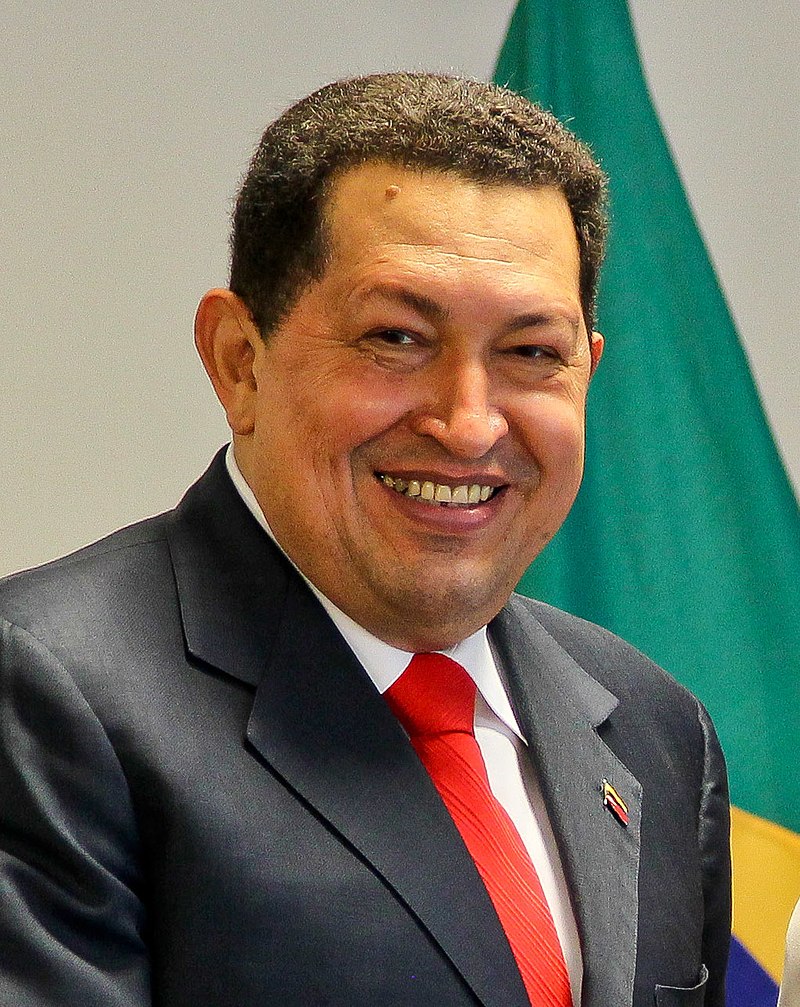
In a landmark event on December 6, 1998, Hugo Chávez, a former army officer and a vocal advocate for the underprivileged, was democratically elected as the President of Venezuela. This historic election heralded a new era in Venezuelan politics, as Chávez pledged radical reforms and a strong focus on uplifting the impoverished sections of the society. His victory also marked the introduction of the ‘Bolivarian Revolution,’ a movement inspired by the ideals of Latin American independence leader Simón Bolívar.
Chávez’s bold anti-establishment stance and his unwavering commitment to combat poverty and corruption struck a chord with millions of Venezuelans who had long felt marginalized by the ruling elite. His tenure in office witnessed the implementation of radical social and economic policies, and positioned Venezuela as a staunch anti-U.S. ally, reshaping Latin America’s political dynamics.
Fun Facts:
- Before politics, Chávez served as an army paratrooper and led an unsuccessful coup attempt in 1992, making him a popular figure among Venezuelans frustrated with government corruption.
- Chávez named his political movement the “Bolivarian Revolution,” inspired by the ideals of Simón Bolívar, who fought for Latin America’s independence from colonial powers in the 1830s.
- Chávez’s charisma and populist policies, which included promises of improved healthcare, education, and welfare, won him a strong following among the working class. His focus on these issues resonated deeply with the struggles of the working class, making his leadership more relatable and empathetic.
- Chávez’s first significant act as president was a call for a new constitution, which led to the creation of the 1999 Bolivarian Constitution, aiming to increase social welfare and give more power to the president.
- Chávez’s leadership style, which was characterized by his commitment to promoting regional unity and independence from U.S. influence, inspired a wave of leftist leaders across Latin America. This inspiration brought hope for a new era of regional cooperation and independence.